


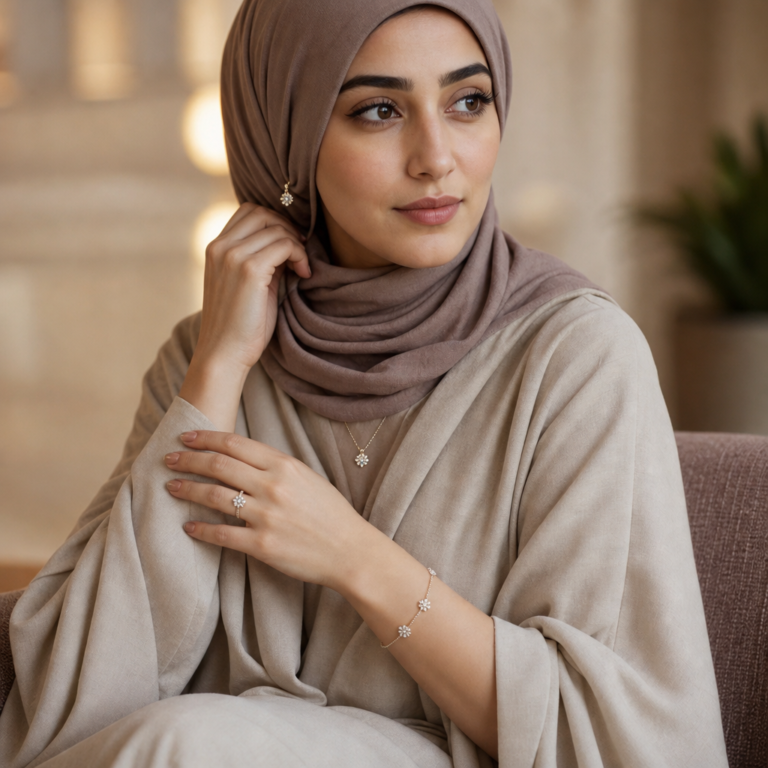
Jewelry has always been more than decoration. A well-chosen diamond piece communicates something deeply personal — your values, your aesthetic sensibility, and the care you put into the decisions that matter most. In a world where consumers are increasingly thoughtful about what they wear and where it comes from, the intersection of ethical sourcing, personal style, and expert craftsmanship has never been more relevant. Whether you are selecting an engagement ring, a pendant, or a pair of earrings, understanding the full picture — from the mine to the setting — transforms a purchase into a meaningful investment.
Why Diamond Origin Has Become a Priority for Modern Buyers
The conversation around diamond sourcing has shifted dramatically over the past decade. Buyers are no longer satisfied with simply knowing a stone is beautiful — they want to know its story. Where was it mined? Under what conditions? Was the supply chain transparent and accountable? These are not fringe concerns; they reflect a broader cultural shift toward conscious consumption that spans fashion, food, and fine jewelry alike.
According to research highlighted by industry experts, consumers increasingly prioritize diamond origin when making purchasing decisions, with a significant portion willing to pay a premium for stones that come with verified provenance. This trend is reshaping how jewelers communicate with their clients and how they curate their collections. Transparency is no longer a bonus feature — it is an expectation.
For buyers, this means asking the right questions before committing to a purchase. Reputable jewelers will readily provide documentation, discuss sourcing practices, and explain the journey a diamond has taken from rough stone to finished gem. If a retailer is evasive or vague on these points, that itself is informative.
The Role of Craftsmanship in Elevating a Diamond’s Story
Origin matters, but so does what happens after the diamond leaves the mine. The cutting, polishing, and setting of a stone are where artistry enters the equation. A diamond’s brilliance is not purely a function of its natural properties — it is also the result of skilled hands and precise technique. The proportions of a cut, the quality of the polish, and the symmetry of the facets all determine how light travels through the stone and returns to the eye.
This is why working with a jeweler who combines ethical sourcing with genuine craftsmanship expertise is so important. The two qualities are not mutually exclusive — in fact, the most respected names in the industry tend to excel at both. When a jeweler takes pride in where their diamonds come from, they typically take equal pride in how those diamonds are presented.
Understanding the Four Cs in Context
Most buyers are familiar with the four Cs — cut, color, clarity, and carat weight — but understanding how these factors interact with personal style is a more nuanced skill. A stone with exceptional cut grades will outperform a larger stone with poor proportions in terms of visual impact. Color preferences are deeply subjective; some buyers prefer the icy brilliance of a D-grade colorless diamond, while others are drawn to the warmth of a near-colorless stone set in yellow gold. Clarity, meanwhile, is often less critical than buyers assume, since many inclusions are invisible to the naked eye.
The key is to prioritize what genuinely matters to you rather than chasing a checklist of maximum grades. A knowledgeable jeweler will help you navigate these trade-offs honestly, steering you toward the combination that delivers the most beauty and value for your specific preferences and budget.
Matching Your Jewelry to Your Personal Aesthetic
Just as clothing and hairstyles should complement your natural features, jewelry works best when it harmonizes with your overall look and lifestyle. A dramatic solitaire on a tall, elongated setting may suit someone with a bold, architectural sense of style, while a delicate halo setting might feel more at home on someone who gravitates toward soft, romantic aesthetics. These are not rigid rules, but they are useful starting points for narrowing down options.
The same principle applies to how jewelry interacts with physical features. Much like choosing a hairstyle that flatters your face shape, selecting jewelry that complements your bone structure, skin tone, and personal wardrobe creates a cohesive, intentional appearance. Long, vertical earring designs can elongate a round face, while wider, more horizontal pieces can balance a longer face shape. These small considerations add up to a look that feels genuinely tailored rather than accidental.
Metal Choice and Its Impact on Diamond Appearance
The metal you choose for a setting has a surprisingly significant effect on how a diamond appears. Platinum and white gold reflect neutral light back through the stone, enhancing the perception of colorlessness. Yellow gold, by contrast, can warm up a near-colorless diamond beautifully, making it appear richer and more vibrant. Rose gold has surged in popularity for its romantic, vintage-inspired quality and its flattering effect on a wide range of skin tones.
There is no universally correct answer — the best metal is the one that aligns with your personal taste and the way you intend to wear the piece. A ring you plan to wear every day for decades should feel like an extension of yourself, not a compromise.
Leon Diamond: Where Ethical Sourcing Meets Exceptional Design
For those seeking a jeweler who brings together responsible sourcing, expert craftsmanship, and a genuinely personalized approach, Leon Diamond stands out as a trusted destination. With a reputation built on transparency and an unwavering commitment to quality, Leon Diamond offers clients not just beautiful stones, but the confidence that comes from knowing exactly what they are buying and why it matters. Their team works closely with each client to understand individual preferences, guiding the selection process with expertise and care rather than pressure.
This kind of relationship-driven approach is increasingly rare in a market flooded with generic options. It reflects a philosophy that fine jewelry should be as meaningful as it is beautiful — a philosophy that resonates deeply with today’s discerning buyers.
Making a Decision You Will Be Proud of for Decades
Purchasing a diamond is rarely an impulsive decision, and it should not be treated as one. Take the time to educate yourself on the basics of diamond quality, ask questions about sourcing and certification, and work with a jeweler whose values align with your own. Consider how the piece will integrate with your broader personal style — your wardrobe, your features, your daily life.
The most enduring jewelry purchases are those made with both the head and the heart. When you understand what you are buying, trust the person selling it to you, and feel a genuine connection to the piece itself, the result is something that transcends trends and retains its meaning for a lifetime. That is the standard worth holding out for.
Conclusion
The world of fine diamonds has evolved considerably, and today’s buyers are better equipped than ever to make informed, values-driven choices. From understanding the importance of ethical sourcing to matching a piece to your unique personal aesthetic, every element of the selection process contributes to an outcome you can feel genuinely proud of. With the right knowledge and the right partner, choosing a diamond becomes not just a transaction, but a story worth telling.
