


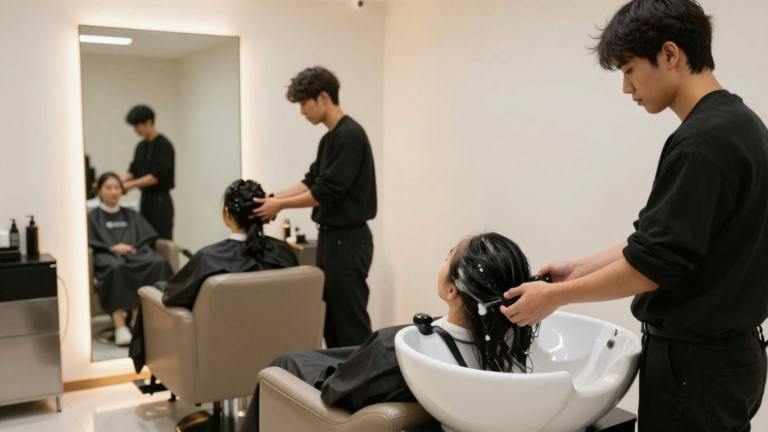
Initial Salon Ambiance
Walking into a hair salon for the first time can feel a bit overwhelming. You’ll likely notice a buzz of activity, with stylists chatting with clients and the gentle hum of hairdryers. The decor can range from sleek and modern to cozy and eclectic, setting a unique mood for each place. You might also catch the pleasant scents of various shampoos and styling products. The overall atmosphere aims to be welcoming and professional. It’s a space designed for transformation and relaxation.
Navigating Salon Layouts
Most salons have a fairly standard layout. You’ll typically find a reception area where you’ll check in. Beyond that, there are usually stations for cutting and styling. Dedicated areas for washing hair, often with reclining chairs, are also common. Some larger salons might have separate rooms for color services or specialized treatments. Getting a feel for the salon’s layout can make your visit smoother. It helps you know where to go for different parts of your service, like the wash bowl or the styling chair. Understanding the salon environment beforehand can ease any first-time jitters. Some larger salons might have separate rooms for color services or specialized treatments, especially when hair salon services include modern coloring techniques like balayage and consultations for luxury hair extensions.
The Crucial Consultation Process
Sharing Your Vision With Visual Aids
Before scissors even come out, the consultation is where the magic begins. It’s your chance to talk about what you want. Bringing pictures is a great idea. Show your stylist exactly what you have in mind. This helps them understand your vision clearly. Don’t just rely on words; visuals make a big difference.
Think about styles you like and don’t like. Even a picture of hair you absolutely don’t want can be helpful. This part of the consultation is all about clear communication. It sets the stage for a successful service. Your stylist wants to know your preferences.
This initial chat is more than just small talk; it’s the foundation for achieving your desired look. It’s where expectations are set and understood.
Stylist’s Hair Assessment
After you share your ideas, the stylist will look at your hair. They’ll check its texture, thickness, and overall health. This assessment is important. It helps them figure out what’s possible for your hair type. They’ll consider if your hair can handle the style or color you’re dreaming of.
They might also look at your scalp. A healthy scalp is key for healthy hair. This professional assessment guides the stylist’s recommendations. It ensures the plan is realistic and good for your hair’s long-term health. The stylist’s hair assessment is a key step.
Discussing Lifestyle and Maintenance
Your daily life matters when choosing a hairstyle. Talk about how much time you have for styling each morning. Do you prefer low-maintenance looks or are you happy to spend time on your hair? Your stylist needs this information.
They’ll also ask about your hair history. Have you colored it before? Any treatments? This helps them avoid issues. Discussing lifestyle and maintenance helps create a style that fits your routine. It makes sure you can keep your new look fresh between salon visits. This part of the consultation is very important.
Exploring Available Hair Salon Services
Understanding Haircut Options
When you visit a hair salon, haircuts are a common service. Stylists can offer everything from a simple trim to a complete restyle. It’s helpful to be clear about how much length you want removed. Think about your hair type and face shape, too. A good stylist can suggest a haircut that will work well with your natural texture and complement your features. They might also discuss how a particular haircut will grow out between appointments, which is important for long-term satisfaction with your style.
Coloring Techniques Explained
If you’re thinking about changing your hair color, salons offer a range of techniques. This could include anything from highlights and balayage to a full color application. Your stylist can explain the differences between these coloring methods and help you choose what’s best for your desired look and hair health. They’ll also talk about the upkeep involved. For instance, some coloring techniques require more frequent touch-ups than others. Discussing your hair history, like previous coloring or chemical treatments, is key here.
Styling and Treatment Services
Beyond cuts and color, salons provide styling and treatment services. After a haircut or color, you might want a professional blowout or styling for a special event. Your stylist can create the look you want. Additionally, many salons offer treatments like deep conditioning or keratin treatments. These aim to improve your hair’s health and manageability. Discussing these options with your stylist can help you decide on the best course of action for your hair’s specific needs. These services are designed to keep your hair looking and feeling its best.
Preparing For Your Salon Appointment
Arriving With Clean Hair
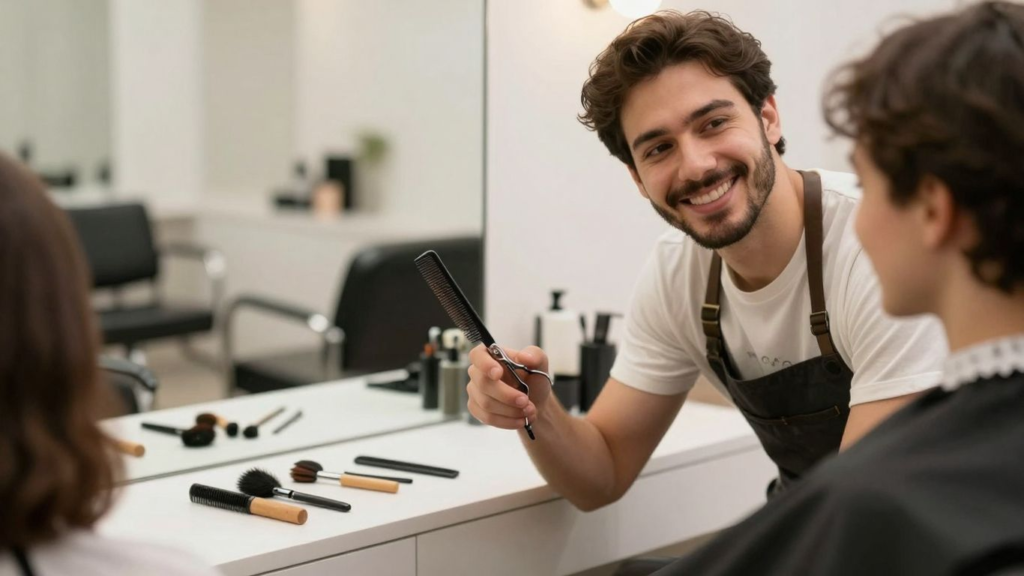
It’s generally a good idea to arrive with clean hair, though some salons do wash it as part of the service. If you have a specific shampoo or conditioner you prefer, feel free to bring it along. This simple step can help streamline the process and ensure your stylist is working with a fresh canvas. Remember, preparing for your salon appointment starts before you even walk through the door.
Bringing Inspiration Photos
Visual aids are incredibly helpful. Gather a few clear photos showing different angles of the hairstyle or color you’re aiming for. Whether they’re from magazines, Pinterest, or Instagram, these images give your stylist a concrete idea of your vision. This is often more effective than just describing what you want.
Being Open to Professional Advice
While you should certainly come with ideas, be prepared to listen to your stylist’s professional opinion. They assess your hair type, texture, and face shape, and can offer advice on what will truly work best for you. Sometimes, a slight adjustment to your initial idea can make a big difference in the final result. This open communication is key to a successful salon experience.
- Hair Texture:Fine, medium, or coarse?
- Hair Density:Thin, average, or thick?
- Scalp Condition:Oily, dry, or sensitive?
Your stylist’s goal is to help you achieve your desired look while keeping your hair healthy. Their professional advice is based on years of training and experience.
During Your Hair Service Session
The Relaxing Wash and Scalp Massage
Once the consultation wraps up, the stylist will likely lead you to the shampoo bowls. This is often the first step in the actual service. Expect a gentle wash designed to prepare your hair for the cut or color. Many clients find the scalp massage during this phase incredibly relaxing. It’s a moment to unwind and let the professional handle everything. This part of the hair salon experience is meant to be soothing.
The Service Execution
With your hair prepped, the stylist begins the main event – the haircut, color application, or styling. They’ll work methodically, sectioning your hair and using their tools with precision. This is where the vision discussed during the consultation starts to take shape. Pay attention to the techniques used, as this can offer insights into how your hair is being transformed. It’s a dynamic process, and seeing it unfold is part of the experience.
Asking Questions Throughout
Don’t hesitate to speak up if you have questions or concerns during the service. Whether you’re curious about a specific technique, want clarification on a step, or feel something isn’t quite right, communicating is key. A good stylist welcomes questions and will happily explain what they’re doing. This open dialogue helps ensure you’re both on the same page and that you leave satisfied with your hair salon visit.
Post-Service Care And Follow-Up
Maintaining Your New Hairstyle
So, you’ve got that fresh cut or color, and it looks amazing. Now what? The stylist just finished, and you’re feeling great. But how do you keep it looking that way?
The key is to follow the advice you received. Your stylist likely gave you some pointers on how to style and care for your hair at home. This might include specific washing instructions, like waiting a day or two after coloring before shampooing, or using cooler water. They might also have shown you a new way to blow-dry or use a curling iron to get that salon look. Remember, post-service care is just as important as the service itself for long-term results.
Product Recommendations
Your stylist probably has a few favorite products they used on your hair, and for good reason. They know your hair type and what works best for it. Don’t be afraid to ask for specific product names or even to buy a small amount directly from the salon if they offer it. Using the right shampoo, conditioner, and styling aids can make a huge difference in how your hair looks and feels between appointments. It’s about keeping that post-service care going strong.
Scheduling Future Appointments
To keep your hair looking its best, regular salon visits are usually recommended. Whether it’s for a trim to maintain your cut, a root touch-up for color, or a deep conditioning treatment, booking your next appointment before you leave the salon is a smart move. This helps you stay on track with your hair goals and ensures you get a time slot that works for you. It also helps build a good relationship with your stylist, who will get to know your hair even better over time.
Addressing Unmet Expectations
Communicating Dissatisfaction Calmly
Sometimes, despite everyone’s best efforts, a new hairstyle doesn’t quite hit the mark. It’s completely normal to feel a bit disappointed if your hair isn’t what you envisioned. The key is to approach the situation calmly and constructively. Instead of letting frustration build, take a moment to gather your thoughts. Remember that your stylist wants you to be happy with your hair, and open communication is the best way to achieve that. A calm conversation about unmet expectations can lead to a much better outcome.
Seeking Adjustments and Solutions
If you’re not thrilled with the result, don’t hesitate to speak up. Most salons offer a grace period for adjustments. Politely explain what isn’t working for you, perhaps referencing your initial consultation or inspiration photos. Your stylist can then assess the situation and suggest ways to tweak the cut or color. This might involve a minor adjustment or a different approach altogether. The goal is to find a solution that makes you feel confident and satisfied with your hair.
Building Long-Term Stylist Relationships
Addressing issues openly and calmly is how strong client-stylist relationships are built. When you communicate your concerns respectfully and work together to find solutions, it shows trust and collaboration. This positive interaction can turn a less-than-perfect experience into a learning opportunity for both you and your stylist. Over time, this kind of honest feedback helps your stylist understand your preferences even better, leading to consistently great results and a relationship where you feel truly heard and valued. This is how you build a lasting connection with a professional who understands your hair.
Wrapping Up Your First Salon Visit
So, you’ve made it through your first professional hair salon appointment. It might have seemed a bit daunting at first, but hopefully, this guide helped show you that it’s a pretty straightforward process. From the initial chat with your stylist to the final look, it’s all about communication and letting a professional work their magic. Remember to follow any aftercare advice given, and don’t hesitate to reach out if you have questions. Building a good relationship with your stylist means they’ll get to know your hair even better over time, leading to even better results on future visits. Enjoy your fresh new look!
