


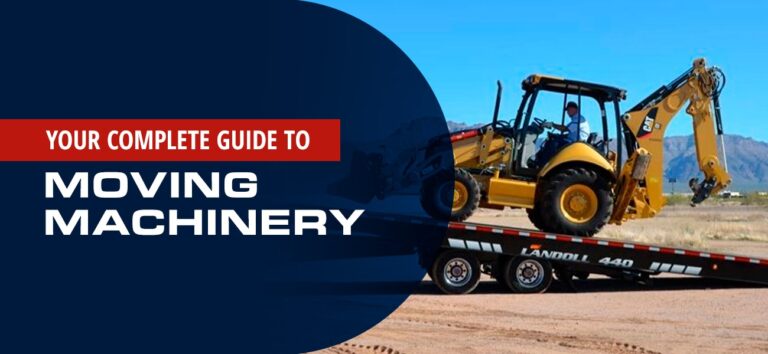
Heavy-load moving tools help shift big items like machines, equipment, and materials in factories, warehouses, and job sites. In 2026, these tools see more use due to growth in building, energy, and shipping sectors. New tech, like electric power and automation, makes them better. This guide covers types, how to pick them, safety, care, and trends. We keep it simple so anyone can follow. Read on to learn what works best for your needs.
Types of Heavy Load Moving Tools
Many tools exist for moving heavy loads. Start with basic ones that need human power. Furniture dollies have four wheels and a flat base. They carry up to 1,000 pounds. Place the load on top and push. Good for boxes or small machines on smooth floors.
Hand trucks stand upright with two wheels. They tilt to lift items like appliances. Capacities reach 600 pounds. Use them for stairs with care. Furniture sliders go under legs or corners. They let you slide items on carpet or hard floors without scratches. Each set handles 100 to 200 pounds per slider.
Lifting straps wrap around the load and over your shoulders. They spread weight to make carrying easier for two people. Pallet jacks lift and move pallets. Manual ones pump a handle to raise forks. They handle 2,000 to 5,000 pounds.
For bigger jobs, powered tools save effort. Forklifts lift and stack high. Electric models in 2026 use batteries and go up to 8,000 pounds. They run quiet and clean indoors.
Battery-powered machine skates move loads on wheels with electric motors. Remote controls let one person handle tons. Capacities range from 10 to 100 tons. They fit tight spaces and rough ground.
Air casters use air to float loads. Compressed air creates a thin film under pads. This cuts friction so heavy items glide easy. Sets move up to 1,000 tons, like big transformers. They need smooth floors but cause no damage.
Battery-Powered and Electric Options
Electric tools grow fast in 2026. Battery-powered skates and forklifts cut fuel costs and noise. They charge overnight and run hours. Lithium batteries last longer now.
Electric forklifts shift from gas ones. Market split favors electrics 60-40. Heavy models lift 8 tons or more. They suit indoor and outdoor with weather seals.
Battery skates have remote controls for safe distance. Motors push at steady speeds. Add-ons like GPS track moves in big sites.
Air casters pair with electric pumps for air supply. This makes whole systems green. Choose these for less emissions and rules compliance.
Safety Tips for Using These Tools
Safety comes first with heavy loads. Check weight limits always. Overload causes breaks or tips. Use right tool for the job—dollies for flat, jacks for lift.
Wear gear: steel boots, gloves, hard hats. Clear paths of junk. In teams, talk clear signals.
For powered tools, train on controls. Charge batteries full. Inspect wires and parts daily. Stop if odd sounds happen.
With air casters, ensure air pressure stays right. Leaks cause drops. Forklifts need certified drivers. Use horns in busy areas.
In emergencies, know shut-off switches. Have first aid near. Report issues fast to avoid big problems.
How to Choose the Right Tool
Pick based on load size, space, and floor type. Weigh your item first. Add 50% margin for safety.
For small moves, manual dollies or sliders work cheap. Big loads need powered skates or forklifts.
Check floor: smooth for air casters, rough for wheeled skates. Indoor needs quiet electrics.
Budget matters. Basic tools cost low, powered ones more but save time. Look at long use—durable ones last years.
Read reviews and specs. Test if possible. Ask sellers for advice on your setup.
Maintenance and Care
Keep tools in good shape for safe work. Clean after use—wipe dirt from wheels and frames.
For battery tools, charge right. Store batteries cool. Replace if they swell.
Oil moving parts monthly. Check tires for wear. Replace flat ones.
Air casters need clean pads. Inspect hoses for cracks. Store dry.
Forklifts get full service yearly. Track hours used. Fix small issues early.
Good care cuts downtime and costs. Follow maker guides.
Trends in Heavy Load Moving Tools for 2026
2026 brings changes. Automation rises with robots and AI. Autonomous mobile robots move loads alone. They use sensors to avoid hits.
Sustainability pushes electric tools. Solar panels on sites power chargers. Green rules favor low-emission gear.
Tech adds GPS and apps for tracking. Predictive tools spot fixes before breaks.
Demand grows for special tools in building and energy. Flexible designs let you change setups fast.
Safety tech like anti-collision grows. Training uses VR for practice.
Mixed fleets mix manual and powered for best results. Companies invest in these for speed and less labor.
Where to Find Quality Tools
Many places sell these tools. Online sites offer wide choices. For reliable options, visit https://cargotrolley.com/. They have battery skates and air casters built tough.
Check local stores too. Compare prices and warranties. Good ones give one-year coverage.
In summary, heavy load moving tools make hard jobs easy in 2026. Know types, pick smart, stay safe, and follow trends. This guide helps you start. Get the right tools and move loads with less hassle.
