


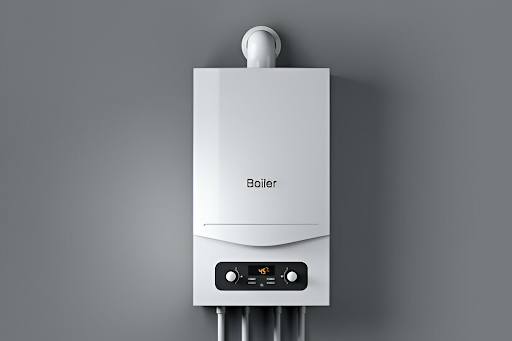
Yes—but only specific types. UK boiler grants don’t cover just any replacement. They fund high-efficiency A-rated models exclusively. Think 90%+ efficiency condensing boilers or heat pumps.
Your 15-year-old clunker? Perfect candidate. A basic budget boiler from the discount rack? Forget it. Grants prioritise models that reduce bills and emissions, not just keep you warm. Here’s what actually qualifies and how to claim it through the free boiler scheme before the programs close.
Which UK Grant Schemes Cover Efficient Boilers?
Two major schemes dominate boiler funding in 2026. Both target efficiency—but in different ways. Understanding which fits your situation saves months of wasted applications.
ECO4: The Main Free Boiler Scheme
ECO4 runs until March 31, 2026. It’s the big one. Energy companies fund upgrades for low-income households stuck with inefficient heating.
Who pays? Major suppliers like British Gas, E.ON, and Scottish Power. They’re legally required to help fuel-poor homes hit energy targets. Your eligibility depends on benefits, income, and property condition.
ECO4 covers England, Scotland, and Wales. It targets homes with EPC ratings between D and G—the worst performers. If your boiler is over 8 years old and barely functional, you’re likely eligible.
Boiler Upgrade Scheme: Heat Pump Focus
BUS offers up to £7,500—but not for gas boilers. This scheme pushes low-carbon heating only. Air source heat pumps? Covered. Biomass boilers? Yes. Modern gas boiler? No chance.
BUS doesn’t require benefits or low income. It’s open to any homeowner ditching fossil fuel heating. But here’s the catch—you pay the rest. That £7,500 rarely covers full installation costs for heat pumps.
Most people chasing free boilers stick with ECO4. BUS works better if you’re already planning a heat pump upgrade and have cash to cover gaps.
What Boiler Models Actually Qualify?
Not all “efficient” boilers make the cut. Grant schemes have strict equipment lists. Your installer can’t just pick their favourite brand.
A-Rated Condensing Boilers Only
ECO4 approves A-rated condensing gas boilers exclusively. These hit 90%+ efficiency—meaning 90p of every pound spent on gas becomes usable heat.
What’s getting replaced? Non-condensing boilers installed before 2005. These old units waste 30-40% of fuel as exhaust heat. They’re environmental nightmares and bill killers.
Modern condensing boilers capture waste heat from exhaust gases. This recovered energy heats your home instead of disappearing up the flue. Simple physics, massive savings.
Which Specific Types Get Funded?
Grant-approved replacements include:
- Combi boilers: Compact, on-demand hot water. Most popular for flats and small homes.
- System boilers: Need a cylinder but work with multiple taps simultaneously. Better for larger families.
- Oil/LPG upgrades: Rural homes without gas mains qualify for efficient oil or LPG condensing models.
- First-time central heating: Homes with electric storage heaters can get full gas systems or air source heat pumps installed.
Every model must appear on Ofgem’s approved equipment list. Installers can’t substitute alternatives even if “equivalent.” The list isn’t negotiable.
What About Heat Pumps Through ECO4?
ECO4 covers air source heat pumps for homes without existing central heating. If you’re stuck with electric heaters or broken systems, heat pumps become an option.
Ground source heat pumps? Rarely approved due to installation costs exceeding ECO4 budgets. Air source models offer better cost-efficiency for grant purposes.
Heat pumps deliver 3-4 units of heat per unit of electricity consumed. That’s 300-400% “efficiency” compared to 90% for gas boilers. But upfront costs remain higher, limiting ECO4 approvals to specific scenarios.
Who Qualifies for These Efficient Boiler Grants?
Eligibility rules separate who gets funded from who gets rejected. Miss one criterion? Your application dies before the survey stage.
Standard ECO4 Requirements
You need a benefits receipt plus property conditions. Both matter equally.
Required benefits:
- Universal Credit
- Pension Credit
- Child Benefit (with income under £31,000)
- Income Support
- Jobseeker’s Allowance
- Employment Support Allowance
Property conditions:
- EPC rating D-G (order a free assessment via gov.uk if unknown)
- Boiler over 8 years old, broken, or non-condensing
- Missing cavity wall or loft insulation (or proof you already have it)
Homeowners and private tenants both qualify. Tenants need written landlord permission before applying. Social housing residents should contact their housing provider directly—not ECO4 installers.
ECO4 Flex: The Income Route
No benefits? Flex opens another path. Your household income must stay under £31,000 annually. Some councils use higher thresholds—up to £36,000 depending on family size.
But here’s the problem—not every local authority participates in Flex. Check your council’s website before applying. Wasting time on ineligible Flex applications delays getting actual help.
Flex also prioritises homes with lower EPC ratings. E-G properties get preference over D-rated ones. Fuel poverty evidence strengthens applications too—high bills relative to income.
Boiler Upgrade Scheme Eligibility
BUS requirements differ completely from ECO4:
| Criterion | ECO4 Standard | ECO4 Flex | BUS |
| Income/Benefits | Required | Under £31,000 | Not required |
| EPC Rating | D-G | E-G | Any rating |
| Boiler Type | 8+ years old | 15+ years old | Fossil fuel only |
| Coverage | Full/partial | Full for low income | £7,500 max |
| Eligible Models | A-rated gas/oil | A-rated + heat pumps | Heat pumps only |
BUS doesn’t check income or benefits. But you must replace a fossil fuel system—gas, oil, or LPG. Pure electric heating doesn’t qualify because there’s no carbon reduction benefit.
How to Apply for Efficient Boiler Grants
Applications run through approved installers, not directly through government websites. This confuses people constantly.
Finding Legitimate Installers
Use Ofgem’s registered installer database. Every legitimate ECO4 provider appears there. If an installer isn’t listed? They’re either unapproved or outright scammers.
Major energy suppliers run their own ECO4 programs:
- British Gas ECO4 scheme
- E.ON Next ECO4
- Scottish Power ECO4
These companies handle applications in-house. Third-party brokers also exist but add unnecessary middlemen to the process.
Required Documentation
Gather these before starting your application:
- Benefit letters: Must be dated within the last 3 months
- EPC certificate: Order free via gov.uk if you don’t have one
- Boiler photos: Show age label, model number, and current condition
- Income evidence: For Flex applications (payslips, tax returns)
- Proof of address: Utility bill or council tax statement
Incomplete documents cause 35-40% of delays. Missing one benefit letter adds 1-2 weeks to your timeline. Don’t submit half-finished applications.
The Survey and Approval Process
After document review, a surveyor visits your home. This takes 1-2 hours. They check the oil boiler condition, property suitability, and installation feasibility.
Surveyors calculate energy savings scores. Every installation must hit minimum savings thresholds—both bill reductions and CO2 cuts. If your property doesn’t meet these targets, approval gets denied.
Insulation Requirements
ECO4 often bundles insulation with boiler replacements. Why? Regulations require addressing heat loss before upgrading heating systems.
If your home lacks cavity wall insulation or loft insulation, installers must add these first. Refusals delay boiler installation by 2-4 weeks. Accept the insulation work to speed up the process.
Some installers offer insulation-only assessments before boiler applications. This identifies issues early rather than discovering problems mid-approval.
Final Thoughts
ECO4 closes March 31, 2026. No extensions announced. Post-ECO4 schemes will likely focus on heat pumps exclusively, ending free gas boiler grants permanently.
Current application volumes are spiking. Major installers stopped accepting new ECO4 applications in January 2026 in some regions due to capacity limits. The £4 billion budget risks depletion before the deadline.
Apply before February 2026 if you want guaranteed completion. Later applications risk running out of time even with perfect processing.
