


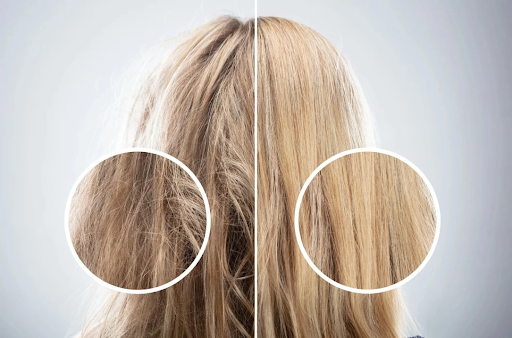
Keratin treatments have become a mainstay in London’s luxury haircare scene, promising sleeker, more manageable hair that resists humidity and frizz. For those exploring options like hair extensions, the allure of a keratin treatment often lies in its transformative power–damaged strands appear glossy and revitalised, seemingly erasing years of chemical and mechanical stress. Many consumers, however, are left wondering whether these treatments truly heal underlying hair damage or simply offer a temporary cosmetic fix. Understanding the distinction is key when weighing options or considering investments such as those outlined by Ivana Farisei keratin treatment price London.
Understanding Keratin Treatment and Its Effect on Hair Structure
Keratin treatments are formulated to coat hair fibers with a smoothing protein layer, which physically fills gaps in the cuticle caused by damage from coloring, heat styling, or environmental factors. This process creates the illusion of healthier, shinier hair by sealing the outer shell and making each strand reflect light more evenly. Yet, the underlying science reveals that while the application can dramatically improve appearance and texture, it does not truly repair the internal structure of the hair.
Human hair is composed mostly of keratin, a fibrous protein that gives each strand strength and flexibility. Over time, this protein depletes due to external aggressors–frequent coloring, chemical straightening, daily heat styling, and exposure to UV rays can all cause the protective cuticle to break down. Once the inner cortex is compromised, hair loses its resilience and becomes prone to split ends, breakage, and dullness.
Keratin treatments work by infusing a synthetic or hydrolyzed version of the protein into the damaged cuticle. Heat, often from a flat iron, locks the protein in place, smoothing rough patches and taming frizz. However, the effect is akin to applying a high-quality varnish to worn wood–surface-level protection and improved aesthetics, without restoring the underlying integrity. The hair may feel more manageable, but the fundamental health of the fiber remains largely unchanged.
Keratin Treatments vs. Hair Extensions: Compatibility and Considerations
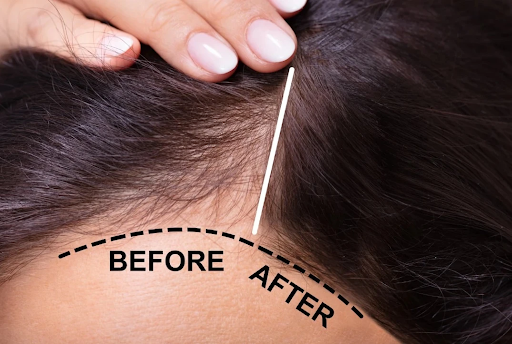
For those in London interested in both keratin smoothing and hair extensions, it is essential to understand how these two approaches interact. Extensions, especially professional keratin-bonded types, depend on the condition of the natural hair for longevity and appearance. Clients often seek keratin treatments before or after extensions to enhance shine and reduce tangling, but certain factors must be weighed to avoid unintended side effects.
Impact of Keratin on Different Extension Methods
Keratin treatments are generally safe for use with most human hair extensions, though caution is required:
- Pre-bonded extensions: These use small keratin tips to attach hair extensions to natural strands. Applying a keratin treatment directly at the root can weaken bonds, leading to slippage or premature shedding if excessive heat or chemicals are introduced.
- Tape-in and weft extensions: These types are less likely to interact poorly with keratin treatments, as the solution typically avoids attachment points. Still, careful sectioning and diligent aftercare are necessary.
- Micro-ring and nano-bead extensions: Metal attachments may be sensitive to heat during the keratin process. Thorough consultation and experienced application ensure the treatment enhances, rather than undermines, longevity.
For anyone contemplating both services, spacing treatments appropriately is crucial–ideally, perform keratin smoothing several days before installing extensions, allowing the hair to settle and minimise risk to extension bonds. Salons such as Ivana Farisei keratin hair extensions Ivana Farisei offer tailored advice for integrating treatments safely.
Keratin Treatment Maintenance with Extensions
Maintenance routines must adapt when combining keratin treatments and extensions:
- Use sulfate-free shampoos to protect both the smoothing effect and extension adhesives.
- Avoid heavy oils or silicone serums at the roots to prevent slippage.
- Schedule gentle detangling sessions and avoid excessive heat to prolong results for both natural and extended hair.
Common Myths and Facts About Keratin Treatment Repairing Hair Damage
Public perception often conflates the visible transformation of a keratin treatment with actual restoration of hair health. The distinction is vital for making informed decisions, especially for those considering long-term investment in hair extensions or professional salon services like Ivana Farisei.
- Keratin treatments do not repair split ends; they may seal them temporarily, but trimming remains necessary for lasting improvement.
- The treatment does not reverse chemical or heat damage; it camouflages the symptoms.
- True hair repair is a slow process, reliant on protein treatments, hydration, and careful handling, not instant salon smoothing.
Ivana Farisei helps clients navigate these realities when evaluating options, and their guidance extends to topics such as which is better for damaged hair keratin treatment or olaplex.
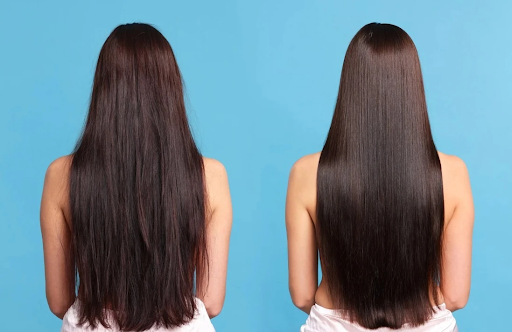
Key Distinctions Between Masking and Repair
- Masking: Keratin treatments offer immediate gloss and manageability, lasting for weeks but fading as treated cuticles wear away.
- Repair: Only protein-rich treatments that penetrate the hair shaft, combined with regular trims and gentle care, can gradually restore strength and reduce signs of damage.
- Longevity: Cosmetic smoothing does not replace the need for ongoing maintenance, especially for extension wearers.
Best Practices for Maintaining Healthy Hair with Keratin Treatments and Extensions
Combining keratin smoothing with hair extensions requires a proactive approach to aftercare. To maximise the benefits and safeguard both your natural hair and investment in extensions, consider these essential practices:
- Wash hair with cool or lukewarm water and use only products recommended for treated or extended hair.
- Sleep on silk or satin pillowcases to reduce friction and prevent tangling.
- Avoid tying hair too tightly, which can stress both natural and extension strands.
- Schedule professional maintenance every 6-8 weeks to address regrowth, bond integrity, and overall health.
- Incorporate weekly deep conditioning or bond-building treatments for maximum resilience.
By following expert advice and selecting reputable salons, clients can enjoy the aesthetic transformation of keratin smoothing without sacrificing the durability of hair extensions.
Evaluating If a Keratin Treatment Is Right for You
For Londoners with an eye on long-term hair health, understanding the limitations of keratin treatments is fundamental. These treatments provide dramatic yet temporary visual improvement, smoothing the surface but not curing underlying damage. When paired carefully with high-quality extensions and diligent aftercare, keratin smoothing can enhance both appearance and manageability. Ultimately, the best results derive from a balanced approach that combines cosmetic treatments with ongoing nourishment and professional guidance.
