


Product quality is very important today. Every company wants to sell strong and safe products. Customers also want products that last long and work well in all weather.
But products do not stay in one place. They travel to many countries. Some areas are very hot. Some are very cold. Some are humid. Because of this, testing becomes very important.
This is where temperature chambers help.
In this article, we will explain in more and more easy words how temperature chambers ensure product reliability.
What Is a Temperature Chamber?
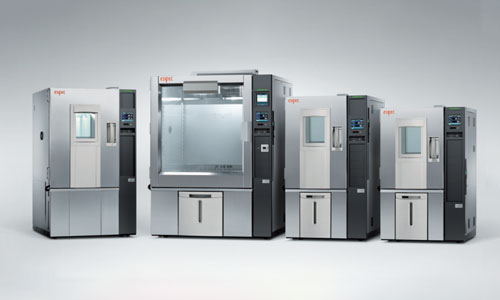
A temperature chamber is a testing machine. It is like a big closed box. But it is very advanced.
It can create different temperatures inside.
It can make:
- Very high heat
- Very low cold
- Fast, hot, and cold change
Products are placed inside this chamber for testing.
Many companies use systems like OTS Technik Temperature Test Chamber for accurate and safe testing.
Why Temperature Testing Is Important
Every product faces temperature changes.
Let’s see some simple examples:
- Mobile phones become hot while charging
- Cars face engine heat
- Batteries face cold weather
- Electronics travel in aeroplanes
- Medical products need a safe storage temperature
If products fail in heat or cold, it can cause loss and danger.
So testing is very necessary.
How Temperature Chambers Work
The working process is simple.
Let’s understand step by step.
Step 1: Put Product Inside
First, the product is placed inside the chamber.
It can be:
- Mobile phone
- Battery
- Plastic part
- Metal component
- Medical device
Then the door is closed tightly.
Step 2: Set Temperature
Engineers set the temperature level.
For example:
- -40°C for cold test
- +100°C or more for heat test
The chamber creates this temperature using heaters and cooling systems.
Step 3: Keep Product Inside
The product stays inside for some time.
It can be:
- Few hours
- One day
- Many days
Long-time testing shows long-life performance.
Step 4: Check Product Condition
Engineers check what happens to the product.
They look for:
- Cracks
- Shape change
- Melting
- Color change
- Electrical problems
All results are recorded on a computer.
Types of Temperature Tests
Temperature chambers perform different tests.
1. High Temperature Test
This test checks heat resistance.
It shows:
- Does plastic melt?
- Does metal expand?
- Do circuits fail?
Used for electronics and automotive parts.
2. Low Temperature Test
This test checks cold resistance.
It shows:
- Does rubber become hard?
- Does the battery stop working?
- Does the material crack?
Used for aerospace and batteries.
3. Thermal Cycling Test
Here temperature changes again and again.
Hot → Cold → Hot → Cold
This checks long-term strength.
Materials expand and shrink many times.
Weak products fail here.
4. Thermal Shock Test
This is very extreme testing.
Product moves quickly from hot to cold.
Sudden change checks product durability.
If it survives, it is very reliable.
How Temperature Chambers Ensure Reliability
Reliability means a product works well for a long time.
Temperature chambers ensure this in many simple ways.
1. Find Problems Early
Weak products break during testing.
So companies fix problems before selling.
2. Improve Product Design
Engineers study test results.
They improve:
- Material
- Thickness
- Coating
- Protection systems
This makes products stronger.
3. Ensure Safety
Temperature failure can cause danger, such as:
- Battery explosion
- Electrical fire
- Device failure
Testing reduces these risks.
4. Meet Safety Standards
Many industries require testing certificates.
Temperature testing helps meet global standards.
5. Build Customer Trust
Reliable products make customers happy.
Happy customers trust the brand.
Industries Using Temperature Chambers
Many industries use temperature testing.
Electronics Industry
Tests:
- Phones
- Laptops
- Circuit boards
- Sensors
Ensures devices work in heat and cold.
Automotive Industry
Tests:
- Engine parts
- Car lights
- Dashboards
- Wiring
Cars face both summer and winter weather.
Aerospace Industry
Aircraft parts face extreme temperatures at high altitude.
Testing ensures flight safety.
Medical Industry
Tests medical machines and storage devices.
Temperature stability is very important here.
Battery Industry
Battery performance changes with temperature.
Testing prevents leakage and blast risk.
Plastic & Rubber Industry
Temperature affects flexibility and strength.
Testing ensures durability.
Features of Modern Temperature Chambers
Modern chambers are very advanced.
Systems like OTS Technik Temperature Test Chamber provide:
- Accurate temperature control
- Fast heating and cooling
- Digital display
- Data recording
- Safety alarms
- Energy-saving system
These features make testing easy and safe.
Environmental Simulation Testing
Temperature chambers can also combine with:
- Humidity testing
- Vibration testing
- Altitude testing
This creates real-life environments in the lab.
Such as If you want to explore full testing solutions, then you can read more about environmental simulation systems and their uses.
Benefits of Temperature Testing
Main benefits include:
- Better product quality
- Longer product life
- Less product failures
- Improved safety
- Strong brand image
Testing saves costs in the long run.
Maintenance of Temperature Chambers
Maintenance is important for accuracy.
Key steps:
- Clean chamber
- Calibrate sensors
- Check the cooling system
- Update software
- Inspect insulation
Good maintenance increases machine life.
Conclusion
Temperature chambers are very critical check machines.
They create hot and bloodless environments to test the electricity of the product.
They help discover troubles early, improve design and ensure safety.
With superior systems, including the OTS Technic Temperature Test Chamber, companies can produce dependable and long-lasting merchandise.
From electronics to aerospace, temperature checking guarantees that merchandise works well in all climates.
If corporations need heavy fines and good clients, temperature chambers are crucial in current manufacturing.
