


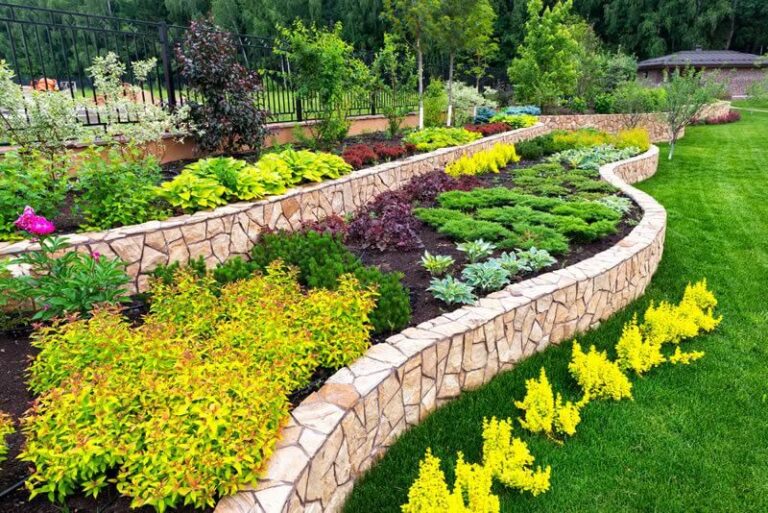
Are you tired of your yard looking messy or plain? Good landscape design follows key rules that make outdoor spaces both pretty and useful. This post will show you simple steps to create a yard that looks neat, balanced, and welcoming.
Keep reading to find out how easy it is to improve your own space!
Unity in Landscape Design
Unity ties your landscape together and makes it feel like one space. Use repeating shapes, colors, or materials throughout the yard to make everything connect.
Achieving cohesion through design elements
Color, texture, and shape help tie a landscape together. Designers use matching colors for flowers or repeating a certain type of stone to make spaces feel connected. “A well-chosen palette brings unity,” says landscape architect Jane Frey.
Colors from plants can echo the paint of garden benches or the tones of paving stones.
Repeating design elements like curved walkways or square planters builds harmony across outdoor spaces. Keeping patterns simple makes each area flow into the next one without harsh breaks.
Using similar materials such as wood and natural stone gives both softscape and hardscape areas a clear, consistent theme throughout the site.
Importance of consistent themes and materials
Consistent themes and materials create a strong look in landscape design. Using the same style helps different parts of a space connect. People feel more at ease when elements match.
For example, using similar plants, stones, or colors ties everything together. This makes an area feel whole and inviting.
Choosing materials that work well together also enhances the design. It shows thoughtfulness and care for detail. Themes can guide choices in hardscaping too; sidewalks, patios, or walls should fit the overall plan.
These decisions help form spaces that are both beautiful and functional. The next aspect is balance and visual equilibrium; it ensures harmony within outdoor areas through thoughtful arrangements.
Balance and Visual Equilibrium
Balance creates a pleasing look in any outdoor space. Symmetrical designs offer order, while asymmetrical designs bring interest and energy.
Symmetrical vs. asymmetrical balance
Symmetrical balance creates a mirror image in the landscape. It uses matching elements on both sides of a central line. This design is calming and organized. Many people find it pleasing to look at.
Asymmetrical balance offers a more relaxed vibe. It uses different elements but keeps visual weight equal on both sides. For example, you might place tall plants on one side and shorter ones on the other.
This style encourages interest and movement in outdoor spaces while still achieving harmony through contrast and unity.
Creating harmony in outdoor spaces
To create harmony in outdoor spaces, design choices should work together. Balance is key to achieving this. Using symmetrical balance means placing elements so they mirror each other.
For those looking to transform their outdoor areas, exploring landscape design Ottawa can provide inspiration and professional guidance.
This method gives a sense of calm and order. On the other hand, asymmetrical balance can also create harmony through careful placement of different items that still feel balanced.
Colors and materials play a big role in unity as well. Choosing consistent themes helps tie everything together. Plants should complement hardscaping features like paths or walls. A flowing layout guides the eye from one area to another, making the space more inviting and enjoyable for everyone who visits.
Focal Points and Emphasis
Focal points grab your attention. Use plants, paths, or water features to draw the eye and create interest.
Directing attention with purpose
Creating strong focal points helps to direct attention in your landscape design. Use plants, structures, or water features to catch the eye. A bold tree can serve as a centerpiece.
Bright flowers can add color and draw focus.
Choose these elements carefully for maximum impact. They should fit with other parts of the space. This creates harmony and balance in outdoor areas. Next, we will explore how proportion and scale affect design choices.
Using plants, structures, or water features as focal points
Focal points draw the eye and create interest in landscape design. Plants like vibrant flowers can grab attention. Structures such as benches or arches also serve this purpose. Water features, including fountains or ponds, add movement and sound to a space.
These elements work together to enhance unity and balance in outdoor areas. A well-placed focal point can change how people feel about a garden or yard. It invites them to explore further into the space around it.
The next principle is proportion and scale, which helps define size relationships in design.
Proportion and Scale
Proportion and scale are key in landscape design. They help create comfort and balance in outdoor spaces by showing how elements relate to each other.
Understanding size relationships in design
When planning your outdoor retreat, consider incorporating various backyard landscape ideas to enhance the overall aesthetic and functionality of your space.
Size relationships are key in landscape design. They help create a sense of balance and harmony. Understanding how different elements relate to each other is essential. For instance, large trees can overwhelm small plants if placed too close together.
A well-planned layout uses size to enhance beauty.
Scale matters when designing outdoor spaces. Large features like patios need smaller accents, such as potted plants, to feel right. This mix creates visual comfort for anyone who visits the space.
Choosing the right sizes helps guide the eye and makes areas more inviting. Good proportion keeps everything feeling connected and pleasant.
Applying scale to create visual comfort
Scale plays a key role in landscape design. It helps to create visual comfort. Designers must consider the size of plants, structures, and features in relation to the space around them.
For example, large trees can overwhelm a small yard. Choosing smaller plants makes the area feel more open.
Using proper scale creates balance and harmony. A big patio works well with larger furniture, while compact spaces need smaller items. Thoughtful choices ensure that everything fits comfortably together.
This thoughtful approach enhances how outdoor areas look and feel.
Rhythm and Movement
Rhythm and movement guide the eye through a landscape. You can achieve this by using lines and repetition in your design.
Organizing space with lines and repetition
Lines and repetition help organize outdoor spaces. They create a flow that guides the eye. Straight lines can give a clean look. Curved lines add softness and movement to the design.
Use paths, fences, or flower beds to form these lines. They lead visitors from one area to another while showing unity in landscape design.
Repetition strengthens harmony in gardens and yards. Planting the same type of flowers or shrubs creates rhythm. It builds connections between different areas of your space. Using similar materials for patios, walls, or walkways also adds consistency through contrast with natural elements like trees or water features.
This pairing makes each part feel connected while offering visual interest throughout the landscape.
Creating flow and guiding the eye
Flow in landscape design helps people move through outdoor spaces. Designers use lines and shapes to guide the eye from one area to another. Paths, walkways, and garden beds create a natural flow.
Curved lines often make spaces feel more inviting than straight ones.
Repetition of plants or other features can enhance this sense of movement. For example, placing similar flowers along a path makes you want to keep walking. This rhythm creates an enjoyable experience as you explore the space.
Using these techniques makes landscapes not just beautiful but also easy to navigate.
Simplicity in Design
Simplicity in design means keeping things clear and clean. It helps to highlight the most important elements in your outdoor space.
Avoiding visual clutter
Visual clutter can overwhelm a landscape. Too many plants, colors, or structures make it hard to see what’s important. To keep things simple, choose fewer elements that work well together.
Focus on the main plants and features you want to showcase.
Simplicity is key in landscape design. Use consistent colors and materials across the space. This creates harmony without distractions. A clear design allows each element to shine while still being part of the whole picture.
Aim for balance and proportion to enhance visual comfort in outdoor areas.
Focusing on essential elements
Simplicity is key in landscape design. Focusing on essential elements helps avoid visual clutter; this creates a clean and inviting space. Choose plants and features that enhance the overall look without overwhelming it.
Limit the number of different materials to maintain consistency across your design.
Effective planning leads to harmony in outdoor spaces. Highlight focal points, such as unique plants or water features, to draw attention where needed. This strategy elevates the beauty of a garden while keeping it functional and enjoyable for everyone.
Next comes the principle of proportion and scale, which helps understand size relationships in design.
Conclusion
Landscape design blends art and nature. Each key principle helps create beautiful spaces. Unity brings everything together. Balance makes a yard feel right. Focal points draw our eyes to special areas.
With the right proportion, spaces feel cozy and inviting. Rhythm adds flow, guiding us through the landscape. Keep designs simple for more impact. Follow these principles for stunning outdoor spaces that people will love!
