


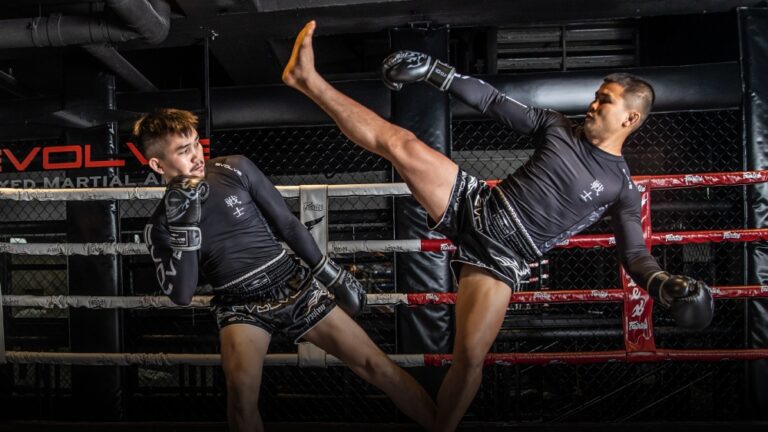
Walk into any Muay Thai gym and you’ll immediately spot the beginners—not by their worn equipment or lack of tattoos, but by the visible tension in their bodies. Stiff shoulders, rigid hips, locked knees, and tense jaws are telltale signs of someone new to the art. This stiffness isn’t just aesthetically awkward; it’s a fundamental barrier to technique development, power generation, and injury prevention.
Why Beginners Start Stiff
The stiffness plaguing new practitioners stems from multiple sources, most of them psychological rather than physical. Your nervous system responds to unfamiliar situations by creating tension as a protective mechanism. When you’re learning to throw and receive strikes, your body naturally braces for impact. The concentration required to remember techniques, combinations, and movements causes many beginners to unconsciously tighten their entire body, holding their breath and clenching muscles that should remain relaxed.
Fear plays a significant role as well. Whether it’s anxiety about getting hit, concern about looking foolish, or simply the stress of being in a physically demanding new environment, that psychological tension manifests as physical rigidity. Your shoulders creep toward your ears, your fists clench unnecessarily tight, and your legs stiffen when they should flow smoothly through kicks and footwork.
This tension creates a cascade of problems. Stiff muscles fatigue quickly, leaving you exhausted after just a few rounds. Power generation suffers dramatically because effective striking requires a whip-like motion that begins with relaxation and ends with a sharp contraction at the moment of impact. Stiff, tense movements are not only slower but also more predictable and easier for opponents to read and counter.
The Injury Connection
Perhaps most importantly for beginners, excessive stiffness significantly increases injury risk. When muscles are chronically tense, they cannot absorb and dissipate force effectively. A relaxed muscle can stretch and accommodate impact, while a rigid muscle is more likely to strain or tear under stress. Stiff shoulders lead to neck injuries, tight hips cause knee and lower back problems, and locked joints are far more susceptible to damage than loose, mobile ones.
The repetitive nature of Muay Thai training means these issues compound over time. That slight shoulder tension you barely notice during your first class becomes chronic tightness after weeks of training. Small compensations your body makes because of stiffness in one area create imbalances that eventually manifest as injuries elsewhere. Learning to stay loose isn’t just about technique improvement—it’s an essential injury prevention strategy that will determine whether you can train consistently for years or constantly battle nagging problems.
Breathing: The Foundation of Relaxation
The single most effective tool for reducing stiffness is proper breathing. When beginners concentrate intensely, they often hold their breath, which triggers a cascade of tension throughout the body. Conscious, rhythmic breathing provides the foundation for staying loose during training.
Focus on exhaling sharply with every strike. This “tsss” or “hiss” sound you hear experienced fighters make isn’t for show—it’s a breathing technique that promotes core engagement while keeping the upper body relaxed. The exhale also prevents breath-holding and helps time your strikes for maximum power. Between combinations and during defensive movements, maintain steady breathing through your nose, never letting it become shallow or stopped.
Practice this breathing pattern during shadowboxing when there’s no pressure from partners or pads. Once the breathing becomes automatic in solo work, it will naturally carry over to more intense training situations. Whenever you notice tension creeping in during a session, return your focus to breathing, and you’ll often find the stiffness dissolves.
Progressive Warm-Up Protocols
A proper warm-up is essential for loosening stiff muscles before training. Many beginners rush through warm-ups or skip them entirely, jumping straight into technique work with cold, tight muscles. This approach guarantees continued stiffness and elevated injury risk.
Start with light cardio to increase blood flow and raise your body temperature. Five to ten minutes of jump rope, light jogging, or dynamic movement gets your system ready for more specific preparation. Follow this with dynamic stretching focusing on the major muscle groups used in Muay Thai: hip circles, leg swings, arm circles, and torso rotations. These movements should be controlled but flowing, gradually increasing range of motion without forcing anything.
Shadowboxing serves as the perfect bridge between warm-up and technical training. Start slowly with single techniques, focusing entirely on staying loose and breathing properly. Gradually increase speed and complexity, but the moment you feel yourself tensing up, slow back down. Quality of movement trumps speed every time during warm-up.
Technical Drills for Looseness
Specific drills can help beginners develop the relaxed fluidity that characterizes skilled Muay Thai practitioners. Slow-motion shadowboxing forces you to move deliberately through techniques while maintaining looseness. Without the adrenaline of speed, you can identify exactly where tension creeps in and consciously relax those areas.
Flow drills with a partner—where you take turns throwing light, controlled techniques with no resistance—help you stay loose in a two-person context. The lack of power and competitive pressure allows you to focus purely on fluid movement. As comfort increases, gradually add resistance and intensity, always monitoring your tension levels.
Pad work provides excellent feedback for stiffness issues. A good pad holder can feel when you’re tense versus when you’re loose, and they should coach you to relax specific areas. Many beginners are surprised to learn their jaw is clenched or their shoulders are hiked up until someone points it out. Verbal cues during pad rounds like “relax your shoulders” or “breathe out” help build awareness.
The Shake-Out Technique
Between rounds and during water breaks, actively shake out your limbs. This simple practice helps release accumulated tension and reminds your nervous system to let go. Shake your arms loosely from the shoulders, rotate your neck gently, roll your shoulders backward, and bounce lightly on your feet. These brief moments of conscious relaxation throughout training prevent tension from building to problematic levels.
Pay particular attention to your hands and fists. Many beginners maintain a death grip on their gloves throughout entire rounds, which causes forearm fatigue and shoulder tension. Your hands should be relaxed and loose until the moment of impact, then immediately relax again. Practice opening and closing your hands between techniques during shadowboxing to develop this skill.
Mental Approach and Patience
Perhaps the most important aspect of overcoming stiffness is adjusting your mental approach to training. Accept that you’re a beginner and that looking awkward is part of the learning process. The fear of judgment causes significant tension, and letting go of that concern allows your body to move more naturally.
Understand that loosening up is a gradual process, not an overnight transformation. You’re literally rewiring nervous system patterns that have developed over years. Some days you’ll feel loose and flowing; other days the tension will return. This is completely normal and doesn’t represent failure or regression.
Focus on the process rather than the outcome. Instead of worrying about how hard you’re hitting or how technical your combinations look, concentrate on the sensation of moving smoothly and breathing properly. When you make staying loose the primary goal, technique improvements and power development follow naturally.
Long-Term Benefits
As you develop the ability to stay loose during training, the benefits extend far beyond the gym. The body awareness and breathing control you develop transfer to stress management in daily life. The confidence that comes from moving fluidly through challenging situations affects how you carry yourself everywhere.
More immediately, loosening up unlocks the full potential of Muay Thai technique. Kicks become higher and faster, punches gain snapping power, and defensive movements feel natural rather than panicked. Your endurance improves dramatically when you’re not fighting against your own tension, and the reduced injury risk means you can train consistently rather than constantly recovering from preventable strains.
The journey from stiff beginner to fluid practitioner is one of the most satisfying progressions in Muay Thai. Every session where you catch yourself tensing up and consciously relax represents progress. Every round where breathing stays controlled and shoulders stay down marks development. Stay patient, stay conscious, and trust that the looseness will come with dedicated practice and proper guidance.
