



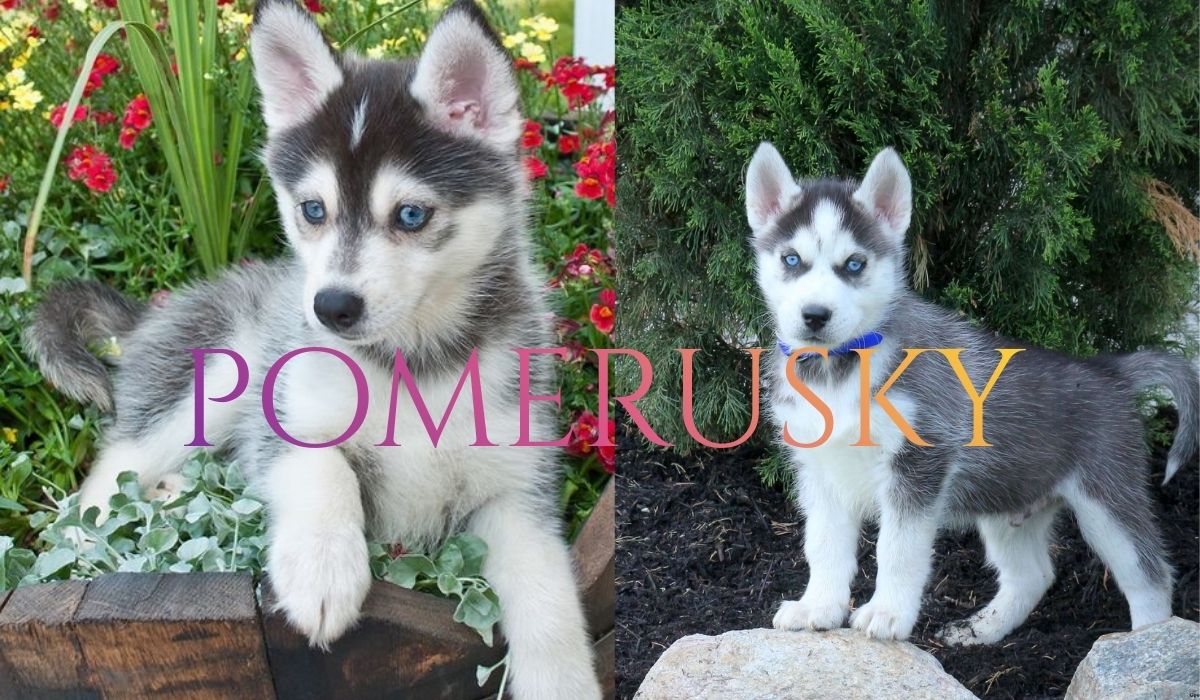
The pomerusky is a relatively new designer dog that has been quietly gaining attention in the U.S. and UK among dog lovers who appreciate compact size paired with lively personality. A blend of Pomeranian lineage with husky-type traits, this small companion dog is often admired for its fox-like face, expressive eyes, and spirited demeanor. While the pomerusky may look adorable and low-maintenance at first glance, owning one requires a solid understanding of its health tendencies, grooming demands, and daily care needs.
This article takes a biography-style, life-focused approach to understanding the pomerusky as a living, evolving companion rather than just a breed label. From inherited health concerns to coat care routines and emotional well-being, each section is designed to help prospective and current owners make informed, responsible decisions. Whether you’re considering adoption or already share your home with one, this guide provides practical, experience-based insights grounded in real-world care standards.
Table of Contents
ToggleUnderstanding the Pomerusky’s Genetic Background
A Small Dog with a Complex Lineage
The pomerusky draws its characteristics from spitz-type ancestry, typically combining Pomeranian traits with husky-related genetics. This lineage explains the dog’s alert posture, double coat, and strong personality despite its small stature. Because this is not a standardized purebred, individual pomeruskies can vary significantly in size, coat thickness, and temperament.
Genetic diversity can sometimes reduce the likelihood of certain inherited disorders, but it can also introduce unpredictability. Responsible breeders often screen parent dogs for common health issues, which is critical for long-term wellness. Understanding this mixed genetic background helps owners anticipate care needs rather than react to problems later.
Common Health Issues in Pomerusky Dogs
Like many small companion breeds, the pomerusky can be prone to specific health challenges. Dental disease is one of the most common concerns, as compact jaws often lead to crowded teeth. Without regular oral care, plaque buildup may progress to gum disease, affecting overall health.
Joint concerns such as patellar luxation may appear, especially as the dog ages. Additionally, some pomeruskies inherit sensitive digestive systems, making diet quality particularly important. Eye conditions, including tear staining and mild vision issues, may also occur. Regular veterinary checkups and early intervention play a major role in maintaining a healthy life.
Skin and Coat Health: More Than Just Appearance
The pomerusky’s coat is one of its defining features. Typically dense and fluffy, it provides insulation but also requires attentive care. Skin health is closely tied to grooming habits, diet, and environment. Dry skin, hot spots, or excessive shedding can indicate nutritional deficiencies or allergies.
Seasonal shedding, especially in spring and fall, is normal. However, persistent hair loss or redness should be evaluated by a veterinarian. High-quality protein, omega fatty acids, and proper hydration contribute significantly to coat shine and skin resilience.
Grooming Needs Throughout the Year
Grooming a pomerusky is not overly difficult, but consistency matters. Brushing two to three times per week helps prevent matting and distributes natural oils across the coat. During heavy shedding periods, daily brushing may be necessary to keep loose hair under control.
Bathing should be done every four to six weeks using a gentle, dog-specific shampoo. Overbathing can strip essential oils and cause dryness. Nail trimming, ear cleaning, and dental hygiene should be part of the regular routine to support overall well-being.
Nutrition and Dietary Considerations
Despite its size, the pomerusky has a surprisingly high energy level. A balanced diet formulated for small, active dogs is essential. Look for foods rich in lean protein, complex carbohydrates, and healthy fats. Avoid fillers and artificial additives, which may contribute to digestive upset.
Portion control is equally important. Overfeeding can lead to obesity, placing strain on joints and internal organs. Many owners find success with scheduled feeding times rather than free feeding, helping maintain a healthy weight and predictable digestion.
Exercise and Mental Stimulation
Daily Activity for a Sharp Mind
The pomerusky thrives on engagement. Short daily walks combined with interactive play sessions help burn energy and reduce behavioral issues. Puzzle toys, obedience training, and scent games provide mental stimulation that prevents boredom.
While they enjoy activity, these dogs do not require intense exercise like larger husky-type breeds. A balanced approach that respects their small size while honoring their intelligence works best. Regular activity also supports cardiovascular health and emotional balance.
Training, Socialization, and Emotional Care
Early training is crucial for shaping a well-mannered pomerusky. Positive reinforcement techniques work particularly well, as this breed responds best to encouragement rather than harsh correction. Socialization with people, children, and other pets should begin early to prevent anxiety or excessive barking.
Emotionally, these dogs often form strong bonds with their owners. They may become stressed if left alone for long periods. Establishing routines, providing comfort items, and offering gentle reassurance help foster emotional security.
Living Environment and Lifestyle Fit
The pomerusky adapts well to apartment living, making it popular in urban areas across the U.S. and UK. However, adaptability should not be confused with inactivity. This breed needs engagement and companionship to thrive.
A calm, structured household suits them best. Loud or chaotic environments may overwhelm sensitive individuals. When given proper care, these dogs integrate seamlessly into family life, offering loyalty and companionship without demanding excessive space.
Preventive Veterinary Care and Lifespan
Planning for a Healthy Future
Routine veterinary visits are essential for monitoring the pomerusky’s health over time. Annual wellness exams, vaccinations, and parasite prevention form the foundation of preventive care. Early detection of issues often leads to more effective treatment.
With proper care, a pomerusky can enjoy a lifespan ranging from 12 to 15 years. Longevity is influenced by genetics, diet, activity level, and emotional well-being. Owners who prioritize preventive care often see their dogs remain active well into senior years.
The Owner’s Role in Long-Term Well-Being
Owning a pomerusky is a long-term commitment that goes beyond basic feeding and shelter. Observing subtle changes in behavior, appetite, or energy can provide early clues to underlying issues. Being proactive rather than reactive is key.
This breed rewards attentive owners with affection, loyalty, and personality. When health, grooming, and daily care are approached thoughtfully, the relationship becomes a genuine partnership rather than a responsibility.
Conclusion
The pomerusky may be small in size, but its care requirements reflect a rich, complex blend of genetics, personality, and physical needs. From managing potential health issues to maintaining a healthy coat and providing emotional engagement, this dog thrives when owners invest time and understanding into its daily life. By approaching care holistically—balancing nutrition, grooming, exercise, and preventive health—you set the foundation for a long, joyful companionship.
For those willing to commit to attentive care, the pomerusky offers not just charm and beauty, but a deeply rewarding bond built on trust and shared experience.
Frequently Asked Questions (FAQs)
1. Is the pomerusky prone to serious health problems?
The pomerusky is generally considered a healthy companion dog, but like many small breeds, it may experience dental issues, joint concerns, or mild eye conditions. Most health problems are manageable with regular veterinary care and early detection. Choosing a reputable breeder and maintaining preventive care significantly reduces risks. A balanced lifestyle plays a major role in long-term wellness.
2. How often should a pomerusky be groomed?
Brushing two to three times per week is usually sufficient, with more frequent brushing during seasonal shedding. Bathing every four to six weeks helps keep the coat clean without drying the skin. Regular nail trimming, ear cleaning, and dental care are equally important. Consistency matters more than frequency.
3. Does a pomerusky require a lot of exercise?
While energetic, the pomerusky does not need excessive exercise. Daily walks combined with indoor play and mental stimulation are usually enough. Short, engaging activities help maintain physical health and prevent boredom. Overexertion should be avoided, especially in hot weather.
4. Is the pomerusky suitable for first-time dog owners?
Yes, many first-time owners find the pomerusky manageable due to its size and adaptability. However, commitment to training, grooming, and companionship is essential. Owners who are patient and consistent often have the best experience. Understanding the breed’s emotional needs is key.
5. What kind of diet is best for a pomerusky?
A high-quality, small-breed dog food rich in protein and healthy fats works well. Portion control is important to prevent weight gain. Some pomeruskies may have sensitive stomachs, so gradual food changes are recommended. Consulting a veterinarian helps tailor nutrition to individual needs.
For More Update and Stories Visit: GOLDEN MAGAZINE
