


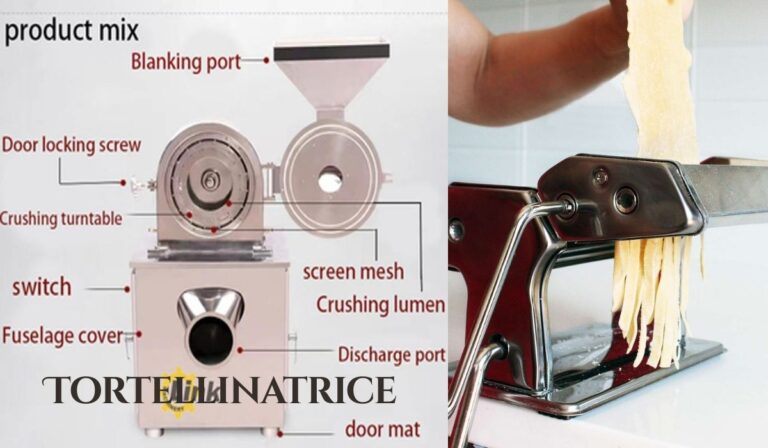
In the world of fresh pasta, few machines carry as much cultural and technical weight as the Tortellinatrice. For centuries, tortellini have symbolized craftsmanship, regional pride, and culinary precision. Today, that tradition meets modern engineering through machines designed to replicate — and in some cases enhance — the delicate process of shaping filled pasta. Whether used in a small artisanal workshop or a large-scale production facility, a Tortellinatrice represents the bridge between heritage and efficiency. This article explores the differences and benefits of artisanal and industrial models, helping readers in the U.S. and UK understand how these machines support quality, scalability, and consistency in pasta production.
Table of Contents
ToggleThe Cultural and Technical Role of the Tortellinatrice
The Tortellinatrice is more than a mechanical tool; it is a continuation of a deeply rooted Italian culinary story. Traditionally, tortellini were shaped by hand, often around a family table. As demand grew globally, the need for consistency and volume led to mechanical solutions that could preserve authenticity. Modern machines are engineered to respect dough texture, filling balance, and folding geometry. This balance between tradition and technology is why the Tortellinatrice holds such a respected position in professional kitchens and pasta factories alike.
Understanding Artisanal Pasta Production
Artisanal tortellini production prioritizes control, sensory judgment, and small-batch excellence. In this context, a Tortellinatrice is typically compact, semi-automatic, and designed to work alongside skilled operators. These machines allow chefs to adjust dough thickness, filling quantity, and folding pressure in real time. The result is a product that reflects craftsmanship while benefiting from mechanical precision. For boutique pasta brands and fine-dining restaurants, this approach ensures authenticity without sacrificing efficiency.
The Industrial Evolution of the Tortellinatrice
Industrial pasta production demands scale, speed, and uniformity. An industrial Tortellinatrice is built to operate continuously, often producing thousands of tortellini per hour. These machines integrate automated dough feeding systems, precision filling injectors, and synchronized forming mechanisms. Advanced models are compatible with conveyor belts, cooling tunnels, and packaging lines. For food manufacturers serving international markets, industrial solutions ensure compliance with hygiene standards while maintaining product consistency across large volumes.
Key Structural Differences Between Artisanal and Industrial Models
The most notable difference lies in construction and complexity. Artisanal machines are often stainless steel, manually adjustable, and relatively easy to maintain. Industrial versions, on the other hand, feature reinforced frames, programmable logic controllers (PLCs), and multi-motor systems. A Tortellinatrice designed for industrial use also includes safety sensors, automated cleaning systems, and integration capabilities with other pasta-making equipment. These structural differences directly influence performance, cost, and operational requirements.
Benefits of Artisanal Tortellinatrice Systems
Artisanal systems shine in flexibility and creative freedom. Chefs can experiment with seasonal fillings, alternative flours, and regional shapes without extensive reconfiguration. A Tortellinatrice in an artisanal setting supports customization, allowing producers to respond quickly to market trends or customer preferences. Additionally, lower energy consumption and smaller footprints make these machines ideal for urban kitchens and specialty food producers.
Advantages of Industrial Tortellinatrice Technology
Industrial machines excel in efficiency and repeatability. Once programmed, a Tortellinatrice can deliver identical tortellini for hours with minimal supervision. This reliability reduces labor costs and minimizes waste. Industrial systems also support food safety certifications such as FDA, USDA, and CE standards, which are critical for exporting to the U.S. and UK markets. For large brands, these benefits translate into predictable margins and scalable growth.
Quality Control and Consistency in Pasta Making
Consistency is a defining metric in professional pasta production. A well-calibrated Tortellinatrice ensures uniform weight, shape, and filling distribution. In artisanal environments, consistency relies on operator expertise, while industrial systems depend on sensors and automated controls. Both approaches, when properly managed, can deliver exceptional quality. The key difference lies in how that quality is achieved — through human intuition or mechanical precision.
Economic Considerations and Return on Investment
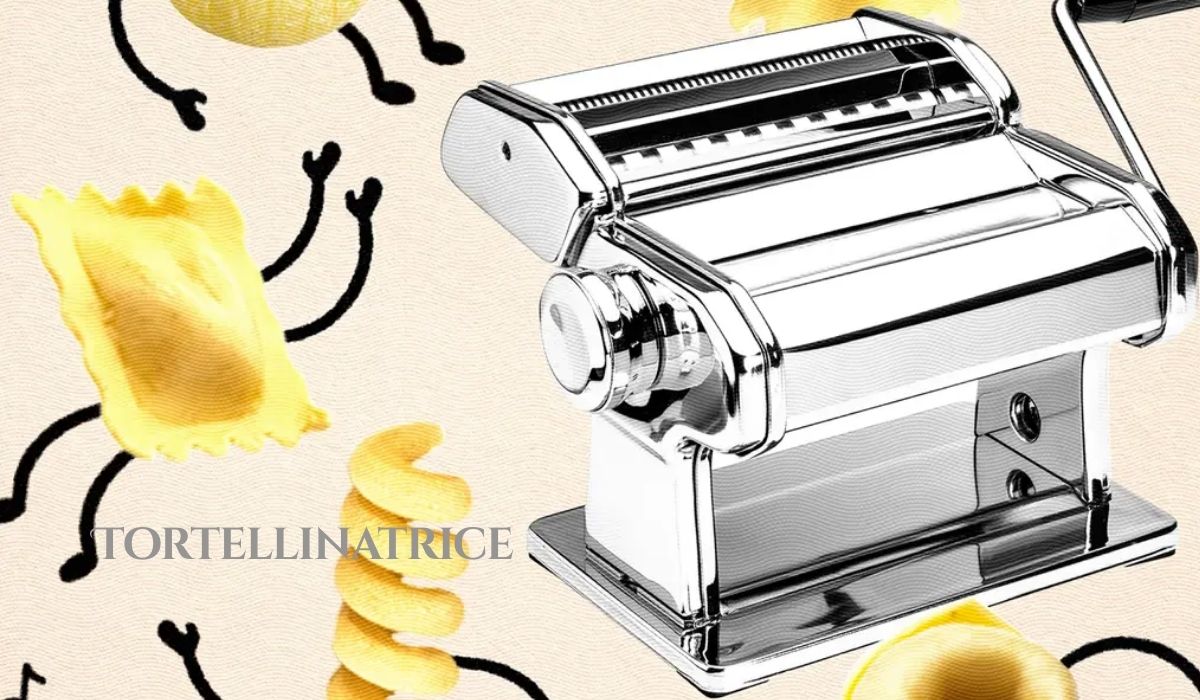
Choosing between artisanal and industrial equipment often comes down to economics. Artisanal machines require a lower initial investment and offer faster setup times. Industrial Tortellinatrice systems involve higher upfront costs but deliver long-term savings through volume production and reduced labor. Businesses targeting premium markets may prioritize craftsmanship, while those aiming for mass distribution benefit from industrial scalability. Understanding production goals is essential when evaluating return on investment.
Integration with Modern Food Technology
Modern pasta production rarely operates in isolation. Today’s Tortellinatrice models are designed to integrate seamlessly with mixers, sheeters, pasteurizers, and packaging machines. Industrial systems often include digital monitoring, data logging, and remote diagnostics. These features support predictive maintenance and operational transparency. Even artisanal producers are increasingly adopting smart technology to improve traceability and efficiency without compromising authenticity.
Choosing the Right Tortellinatrice for Your Business
Selecting the right machine requires a clear understanding of production volume, product variety, and market positioning. A Tortellinatrice for a gourmet restaurant will differ significantly from one used in a frozen food factory. Factors such as available space, staff expertise, and regulatory requirements must also be considered. Consulting with equipment specialists and testing machines before purchase can prevent costly mistakes and ensure long-term satisfaction.
The Global Appeal of Tortellini and Market Demand
In the U.S. and UK, consumer interest in authentic, high-quality pasta continues to rise. Tortellini are featured in upscale restaurants, meal kits, and retail shelves. A reliable Tortellinatrice enables producers to meet this demand while preserving culinary integrity. As consumers become more discerning, machines that support transparency, consistency, and quality will play an increasingly important role in shaping market success.
Conclusion: Tradition Meets Innovation
The Tortellinatrice stands at the intersection of tradition and innovation. Artisanal models honor the hands-on heritage of pasta making, while industrial systems empower brands to reach global audiences. Both approaches offer distinct benefits, and neither diminishes the cultural value of tortellini. Instead, they demonstrate how technology can support tradition rather than replace it. By choosing the right solution, producers can deliver authentic experiences at any scale, ensuring that tortellini continue to delight tables around the world.
Frequently Asked Questions (FAQs)
1. What is a Tortellinatrice used for?
A Tortellinatrice is a specialized machine designed to form filled pasta such as tortellini and cappelletti. It shapes the dough, inserts the filling, and folds the pasta into its characteristic form. This ensures consistency, efficiency, and high-quality results in both small and large-scale production environments.
2. Is an artisanal Tortellinatrice suitable for restaurants?
Yes, artisanal machines are ideal for restaurants and boutique kitchens. They offer flexibility, compact size, and hands-on control, allowing chefs to customize fillings and dough types. This makes them perfect for menus that emphasize freshness and authenticity.
3. How does an industrial Tortellinatrice improve productivity?
Industrial systems automate most of the production process, enabling continuous operation with minimal labor. They produce large volumes of uniform tortellini while maintaining hygiene and safety standards. This significantly increases output and reduces operational costs.
4. What factors should I consider before purchasing a Tortellinatrice?
Key factors include production volume, available space, budget, and target market. You should also consider ease of maintenance, compliance with food safety regulations, and compatibility with existing equipment. Evaluating these aspects ensures the machine aligns with your business goals.
5. Can a Tortellinatrice handle different types of fillings?
Most modern machines are designed to handle a wide range of fillings, from meat and cheese to vegetarian and vegan options. Artisanal models allow quick adjustments, while industrial systems can be programmed for specific recipes. Proper calibration ensures consistent filling distribution regardless of ingredients.
For More Update and Stories Visit: GOLDEN MAGAZINE
