


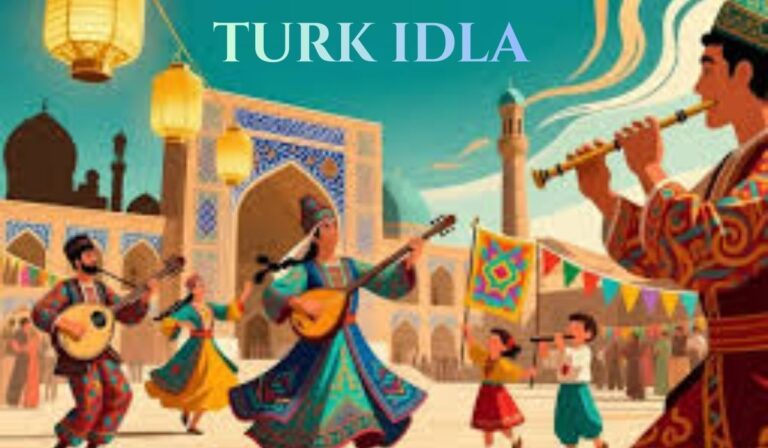
The story of Türk Idla is one of resilience, cultural continuity, and historical depth that remains largely unfamiliar to Western audiences. Rooted in the Idlib region of northwestern Syria, the Turk Idla identity reflects centuries of migration, adaptation, and cultural preservation. For readers in the U.S. and UK, understanding Türk Idla offers insight into a lesser-known Turkic community whose heritage bridges Central Asian ancestry and Middle Eastern influence. This article presents a biography-style exploration of their origins, language, traditions, and modern-day realities, while maintaining historical accuracy and cultural respect.
Historical Roots of Türk Idla
The origins of Türk Idla trace back to waves of Turkic migration that reached the Levant during the Seljuk and Ottoman periods. Many Turkic families settled in Idlib due to its fertile land and strategic location along trade routes connecting Anatolia, Mesopotamia, and the Mediterranean. Over generations, these communities formed a distinct identity shaped by both Turkic lineage and Arab regional culture.
Unlike nomadic Turkic tribes of Central Asia, the Turk Idla population gradually adopted settled agricultural lifestyles. This shift influenced their social structures, land ownership traditions, and local governance. Historical records from Ottoman archives confirm the presence of Turkic-speaking clans in Idlib as early as the 16th century, reinforcing the long-standing roots of this community.
Geographical and Cultural Significance of Idlib
Idlib’s geography played a major role in shaping Türk Idla society. Located near the Turkish border, the region served as a cultural crossroads. Mountain ranges, olive groves, and fertile plains encouraged farming, trade, and craftsmanship. These environmental factors directly influenced daily life, cuisine, and settlement patterns.
Culturally, Idlib absorbed influences from Anatolia, Syria, and the broader Levant. Turk Idla families maintained Turkic customs while integrating Arabic traditions, creating a hybrid culture. This blending is especially evident in clothing styles, wedding ceremonies, and communal celebrations that continue today.
Language and Linguistic Identity
Language remains one of the strongest markers of Türk Idla identity. Traditionally, Türk Idla communities spoke a Turkic dialect closely related to Anatolian Turkish, though heavily influenced by Arabic vocabulary and pronunciation. Over time, bilingualism became common, with Arabic serving as the primary language of education and public life.
Today, older generations often retain fluency in Turkic speech, while younger members may understand it passively. Linguists studying regional dialects consider Turk Idla speech an important example of language contact and evolution. Preserving this linguistic heritage has become a growing concern among cultural historians and community elders.
Social Structure and Family Life
Family forms the backbone of Türk Idla society. Extended families traditionally lived in close-knit households, emphasizing mutual support, respect for elders, and collective decision-making. Patriarchal structures were common, but women played vital roles in managing households, preserving traditions, and passing down oral history.
Marriage customs reflected both Turkic and local Syrian norms. Arranged marriages were once typical, often within the community to preserve cultural continuity. While modern influences have reshaped these practices, family honor and social responsibility remain central values among Turk Idla families today.
Traditions, Customs, and Daily Life
Daily life among Türk Idla communities was historically centered on agriculture, particularly olive cultivation, grain farming, and animal husbandry. Seasonal cycles dictated work routines and community gatherings. Traditional clothing featured practical designs adapted to rural life, with subtle Turkic embroidery patterns symbolizing heritage.
Hospitality is a defining trait. Guests are welcomed with elaborate meals and strong tea, reflecting both Turkic and Levantine customs. Oral storytelling, folk songs, and proverbs remain important cultural expressions, often recounting ancestral journeys and moral lessons.
Religious Beliefs and Practices
Religion has always played a significant role in Türk Idla identity. Predominantly Sunni Muslim, the community follows religious practices aligned with broader Syrian traditions while retaining unique cultural interpretations. Religious holidays such as Eid al-Fitr and Eid al-Adha are celebrated with extended family gatherings and charitable acts.
Mosques historically served not only as places of worship but also as centers for education and community decision-making. Religious scholars from Turk Idla backgrounds contributed to local jurisprudence and teaching, reinforcing the community’s moral framework.
Impact of Modern History and Conflict
Modern political developments profoundly affected Türk Idla communities. The collapse of the Ottoman Empire, followed by the formation of modern Syria, reshaped identity and governance. In recent decades, regional conflict has disrupted traditional lifestyles, leading to displacement and diaspora.
Many Turk Idla families relocated to Turkey, Europe, and beyond. Despite displacement, cultural ties remain strong. Community networks, social media groups, and cultural associations now play a key role in preserving shared heritage across borders.
Diaspora and Cultural Preservation
The global diaspora has become an essential chapter in the Türk Idla story. In countries like Turkey, Germany, the UK, and the United States, Turk Idla descendants navigate dual identities. They balance integration into new societies with efforts to maintain language, traditions, and historical awareness.
Cultural preservation initiatives include community gatherings, oral history projects, and academic research. These efforts help younger generations understand their roots while adapting to modern life. For Western audiences, this highlights the broader immigrant experience of cultural continuity amid change.
Economic Contributions and Skills
Historically, Türk Idla individuals were skilled farmers, traders, and artisans. Olive oil production, textile work, and local trade sustained regional economies. These skills translated well into diaspora contexts, where many found success in small businesses and agriculture-related industries.
Economic resilience reflects adaptability—a trait deeply embedded in Turk Idla history. This adaptability continues to define the community’s ability to rebuild and thrive despite adversity.
Modern Identity and Future Outlook
Today, Türk Idla identity exists at the intersection of tradition and modernity. Younger generations engage with global culture while rediscovering ancestral roots. Academic interest in Turkic minorities of the Middle East has also grown, bringing renewed attention to Türk Idla heritage.
The future of this identity depends on documentation, education, and intergenerational dialogue. As awareness increases, Turk Idla history is gradually gaining recognition within broader discussions of Middle Eastern diversity.
Conclusion
The story of turk idla is not just a regional narrative but a testament to cultural endurance. From their Turkic origins to their modern diaspora, Türk Idla communities embody adaptability, tradition, and resilience. For U.S. and UK readers, understanding this heritage enriches global cultural awareness and highlights the complexity of identity in the Middle East. Preserving this history ensures that future generations remain connected to a past that continues to shape their present.
Frequently Asked Questions (FAQs)
1. Who are the Türk Idla people?
The Türk Idla are a Turkic-origin community historically based in Syria’s Idlib region. Their identity combines Turkic ancestry with local Syrian cultural influences. They are known for strong family ties, agricultural traditions, and a blended linguistic heritage.
2. What language do Türk Idla communities speak?
Traditionally, Türk Idla communities spoke a Turkic dialect influenced by Anatolian Turkish and Arabic. Today, Arabic is the dominant language, while older generations may still speak or understand Turkic expressions.
3. Are Türk Idla culturally different from other Syrians?
Yes, Türk Idla culture reflects unique Turkic elements alongside Syrian traditions. This includes distinct customs, oral history, and family practices that set them apart while still sharing regional similarities.
4. Where do Türk Idla people live today?
While historically based in Idlib, many Türk Idla families now live in Turkey, Europe, the UK, and the U.S. due to migration and conflict. Diaspora communities actively maintain cultural connections.
5. Why is Türk Idla heritage important to preserve?
Preserving Türk Idla heritage helps protect linguistic diversity, historical knowledge, and cultural identity. It also contributes to a broader understanding of Middle Eastern multiculturalism and Turkic history.
For More Update and Stories Visit: GOLDEN MAGAZINE
