


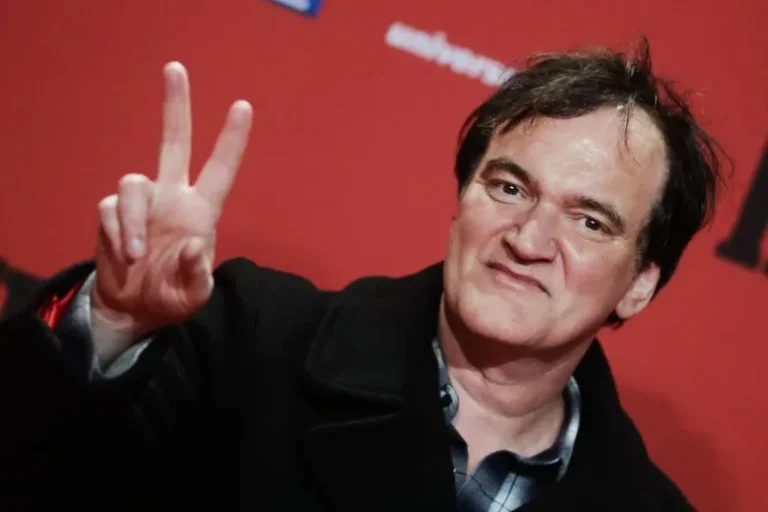
In his later years, Quentin Tarantino did not step away from the world so much as he reduced its volume. The change was intentional and methodical. After decades of operating inside nonstop production cycles, press tours, and cultural noise, he began to treat his own time the way he once treated film footage. Anything that did not add meaning was cut. This was not exhaustion or retreat. It was authorship applied to life itself.
The idea of slowing down for Tarantino does not mean disengaging. It means choosing when and how to engage. He no longer reacts to invitations out of habit or obligation. Each commitment is weighed against personal interest and long-term value. That shift has altered his public rhythm. He appears less frequently, but when he does, the conversations carry weight. Interviews are longer, more reflective, and less concerned with defending past work or teasing future projects.
This approach has also changed how he experiences creativity. Without the pressure to constantly produce, ideas are allowed to mature. He has spoken about enjoying the freedom of thinking without immediately needing to act. That space allows for deeper reflection on cinema, culture, and his own role within both. The urgency that once defined his career has softened, replaced by a steadier focus rooted in curiosity rather than competition.
Slowing down has also sharpened his sense of boundaries. He has been clear about wanting a finite directing career, and that decision influences how he structures his days. Knowing there is an endpoint creates clarity. It removes the anxiety of endless output and replaces it with intention. His later years are not about fading away. They are about choosing the strongest moments and letting the rest fall away.
Living Between Cities, Not Industries
Geography has become one of the most important tools Tarantino uses to shape his later life. Rather than anchoring himself to a single centre of power, he divides his time between Los Angeles, Rome, and Tel Aviv. Each city serves a specific function, and none of them dominate his identity.
Los Angeles remains emotionally significant. It is where his cinematic instincts were formed and where much of his personal history lives. Yet he no longer treats it as a command centre. When he is there, it is on his terms. Rome offers a different kind of nourishment. It is a city that treats cinema as cultural memory rather than commercial product. Archives, repertory cinemas, and a deep respect for film history allow Tarantino to engage with cinema without industry pressure.
Tel Aviv provides balance. It is where daily life becomes ordinary and grounded. Family routines, local walks, and familiar neighbourhoods replace red carpets and meetings. The city allows him to exist without constant attention. This anonymity supports a different pace of life, one that prioritises presence over performance.
Living between these cities reflects a broader rejection of industry driven identity. Tarantino no longer defines himself by proximity to power. Instead, he chooses environments that support thinking, walking, and observing. Each city removes a different distraction. Together, they create a life that feels intentional rather than reactive.
Eating, Watching, and Listening
Food plays a quiet but meaningful role in Tarantino’s later years. He does not treat dining as indulgence or status. Instead, he uses restaurants as places of observation. He avoids fashionable venues and celebrity driven dining rooms. Those environments flatten behaviour. Everyone performs the same version of themselves. Tarantino prefers places where people forget they are being watched.
In Italy, this often means long standing trattorias where menus rarely change and conversations flow freely. In Israel, it means casual neighbourhood spots where meals are social rather than staged. These environments allow him to listen. Dialogue has always been central to his work, and restaurants remain one of his most reliable sources of unfiltered speech.
Sitting quietly near restaurant tables, he absorbs rhythm, interruption, and tone. He listens to how people argue, joke, and reconcile. These moments are not collected for immediate use. They simply keep his instincts sharp. Even without directing, he remains attuned to how people speak when they are not performing for an audience.
Eating out also keeps him connected to everyday life. It prevents isolation. It places him inside shared spaces where stories unfold naturally. He values that exposure. It reminds him that cinema begins with observation, not spectacle. Food becomes a way to stay grounded, to remain curious, and to engage with the world without needing to dominate it.
Travel Without Promotion
Travel remains part of Tarantino’s life, but it has lost its promotional edge. He no longer travels to maintain visibility or chase relevance. When he attends major film festivals, including the Cannes Film Festival, he does so as a participant rather than a headline. He watches films, engages in conversations, and leaves without spectacle.
Outside festival circuits, his travel is quiet and purposeful. He visits cities for archives, cinemas, and bookshops rather than landmarks. Luxury does not interest him. Hotels are chosen for location and practicality. The goal is proximity to places that matter, not comfort for its own sake.
This approach changes how travel feels. Without promotional pressure, movement becomes part of his working rhythm rather than a break from it. Each trip has a reason, even if that reason is simply to sit in a dark room and watch a film properly. Travel becomes an extension of his daily practice rather than an escape from routine.
By stripping travel of performance, Tarantino preserves its meaning. He moves through places with attention rather than expectation. That attentiveness mirrors how he watches films and listens to people. Travel, like cinema, becomes an act of presence.
Routine, Movement, and the Body
Tarantino’s relationship with his body has evolved with age, but not in a performative way. He is not drawn to fitness trends or public displays of discipline. Instead, he values consistency. Walking is his primary form of movement. It suits his cities and his thinking style. Long walks provide space for reflection without forcing it.
Routine now plays a central role in his days. Writing happens within set windows rather than late night bursts. Sleep is treated as essential rather than optional. Meals, walks, and family time create a structure that supports focus. This predictability replaces the chaos that once accompanied production cycles.
Caring for the body is not about optimisation. It is about maintenance. He recognises limits and works within them. This acceptance allows him to preserve energy for what matters. Ageing is not treated as something to resist or disguise. It is acknowledged and accommodated.
This approach reflects a broader shift in values. By respecting physical and mental limits, Tarantino protects clarity. The intensity that once fuelled long shoots and late nights now fuels attention and thought. Routine becomes a tool for preservation rather than restriction.
Cinema Without Deadlines
Although Tarantino has stepped back from directing, cinema remains central to his life. Watching films is no longer preparation for making films. It is the practice itself. He maintains a private archive and continues to seek out rare prints. Screenings are intentional and focused.
Without production deadlines, his relationship with time has changed. He can sit with a film longer. He can revisit the same work multiple times, exploring structure, pacing, and choice without needing to apply those lessons immediately. The pressure to convert insight into output has disappeared. What remains is curiosity.
He continues to write, but not always with publication in mind. Notes, essays, and reflections exist for their own sake. Teaching and mentoring happen informally. Conversations replace lectures. Knowledge is shared when asked, not broadcast.
This quieter engagement keeps cinema alive without turning it into obligation. By removing deadlines, Tarantino preserves pleasure. Cinema remains a source of stimulation rather than stress. This balance allows him to stay connected to the art form without exhausting it.
Legacy, Family, and Perspective
Fatherhood has reshaped how Tarantino understands time. Decisions are no longer driven solely by momentum. They are measured against responsibility and presence. Family life introduces structure and perspective. It also softens urgency without reducing commitment.
This shift influences how he thinks about legacy. He is less concerned with adding volume to his body of work and more concerned with coherence. The films already exist. What matters now is how they are preserved, discussed, and understood. His role has shifted from provocateur to custodian.
He no longer feels compelled to respond to every cultural moment. Silence becomes a choice rather than absence. When he does speak, it is with intention. This restraint sharpens his voice.
Tarantino’s later years show a man who has applied his creative principles to his own life. Excess has been cut. Focus remains. He has not withdrawn from the world. He has simply chosen how to engage with it. The noise has faded. The signal remains.
