


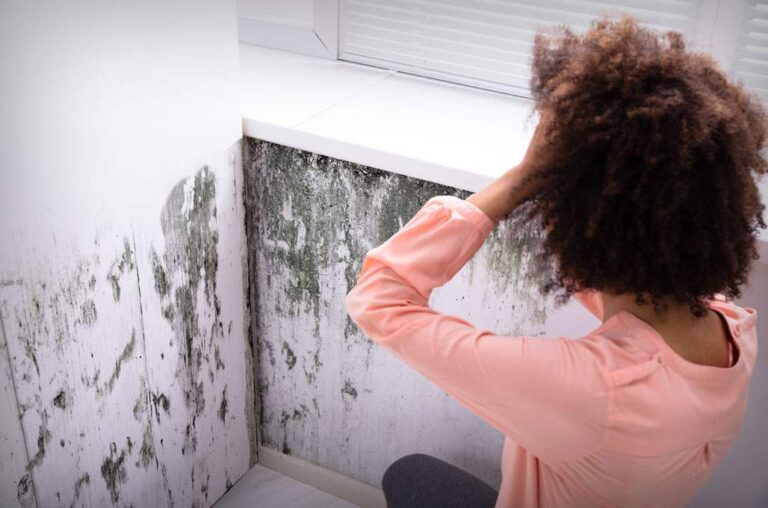
Are you worried about strange smells or spots in your house? Mold can hide behind walls and cause health problems for families. This blog will show how mold inspection and testing keep your home safe, healthy, and valuable.
Keep reading to learn why catching mold early is so important.
Identifying Hidden Mold in Homes
After learning why mold inspection and testing matters, the next step is to spot hidden mold at home. Mold does not always show on walls or ceilings. It can grow behind wallpaper, under carpets, or inside HVAC systems.
Leaks from roofs or pipes often cause unseen fungal growth in these areas.
A musty smell can signal hidden mold even if you do not see any marks. Health problems like coughing and sneezing sometimes hint at a mold issue before it appears. The EPA states that about 50% of U.S. homes have dampness issues that may lead to molds forming out of view.
The key to mold control is moisture control, says the Environmental Protection Agency (EPA).
Professional inspection services use special tools for detection. Moisture meters and spore analysis help find sources in hard-to-reach places. Early detection protects your family’s health and keeps indoor air quality safe.
Preventing Health Risks Associated with Mold
Spotting hidden mold is the first step. Stopping health risks comes next. Mold harms people of all ages. Its spores float in the air and trigger allergies like sneezing or itchy eyes.
Some types, like black mold (Stachybotrys chartarum), can lead to breathing problems, headaches, or skin rashes. The Centers for Disease Control and Prevention report that exposure to indoor dampness and fungal growth increases asthma attacks by up to 40%.
Children, seniors, and people with weak immune systems face higher risks.
Keeping homes safe means catching moisture problems early through regular inspection services. Proper mold testing can find invisible dangers affecting indoor air quality before they grow worse.
Spore analysis gives a clear idea of what kind of allergens are present in your living space so you can plan quick remediation steps if needed. Quick action keeps families healthier while reducing the hazards linked to long-term exposure such as chronic sinus infections or worsened lung disease in sensitive individuals.
Safe home maintenance starts with addressing small leaks and using good ventilation throughout each room for better environmental safety.
Protecting Property Value
Mold can hurt your home’s value. A home with mold issues is less appealing to buyers. They may worry about health risks and hidden damage. This fear often leads to lower offers or a tough sale process.
Regular mold inspections keep your property safe. Early detection finds problems before they grow worse. Fixing these issues helps maintain value. Also, potential buyers feel more secure knowing the home is mold-free.
Keeping your home in good condition protects your investment for years to come.
Detecting Water Damage Early
Detecting water damage early is essential for keeping your home safe. Water can cause mold growth and weaken your house’s structure. Small leaks might go unnoticed but can lead to big problems later.
Regular inspections help find hidden issues before they grow. Moisture often hides in walls, ceilings, and basements. Signs such as stains or a musty smell could indicate trouble. If you notice these signs, act fast to prevent costly repairs.
Early detection protects your health and maintains the property’s value.
The Role of Mold Testing in Indoor Air Quality
Mold testing plays a key role in maintaining good indoor air quality. Mold spores can travel through the air. These tiny particles may cause health problems for people living in the home.
As mold grows, it releases these spores into the air we breathe. Testing helps identify if there are harmful levels of mold present indoors.
Testing also provides information about different types of mold that may exist in your home. Some molds release allergens or toxins that can affect health. By knowing what type of mold is present, homeowners can take steps to remove it safely and improve their indoor environment.
This process is essential for keeping everyone safe and healthy at home while protecting property value too.
Mold Testing vs. Mold Inspection: Key Differences
Mold testing and mold inspection serve different purposes during home evaluations. Here is a summary of their key differences in an easy-to-read table.
| Feature | Mold Inspection | Mold Testing |
|---|---|---|
| Purpose | Find visible signs and sources of mold | Analyze air and surface samples for mold spores |
| Methods Used | Visual checks, moisture meter, infrared cameras | Lab tests of samples, spore trap, swab samples |
| Typical Tools | Flashlight, borescope, moisture detector | Sampling cassettes, petri dishes, pumps |
| Duration | Usually 1 to 2 hours | Sampling is quick, lab results take 2 to 5 days |
| Findings | Locates mold growth, points out moisture problems | Identifies mold type, measures spore count |
| Required for | Real estate deals, allergy concerns, water leaks | Health worries, post-remediation check, unknown odors |
| Performed by | Certified mold inspectors | Certified labs and technicians |
| Cost Range | $200–$600, based on home size (per 2024 data) | $30–$150 per sample, average three samples per test |
Knowing when to use testing or inspection helps homeowners make informed decisions about their indoor air quality. The next section explains when a home needs mold testing.
When to Consider Mold Testing for Your Home
Mold testing is crucial for a healthy home. It helps find hidden problems before they get worse.
- A musty smell in your home can signal mold growth. Trust your senses and take action.
- Previous water damage needs attention. Water leaks create the right conditions for mold.
- Your family has allergy or asthma symptoms that don’t go away. Mold can worsen these health issues.
- A recent home purchase might hide mold issues. Testing ensures a safe living environment from day one.
- High humidity levels in your area suggest mold risk. Regular testing helps keep indoor air quality safe.
- During major renovations, mold may be disturbed or uncovered. Testing can catch any growth you can’t see.
- If you notice dark spots on walls or ceilings, check for mold right away. These spots often indicate hidden problems.
- Homes built before 1980 might have lead paint or asbestos, increasing mold risk during renovations. Test both mold and materials for safety.
- You are selling your home and want to enhance its value with a clean bill of health regarding indoor air quality. Prospective buyers appreciate transparency about potential hazards.
- After long periods of being vacant, homes can develop hidden moisture issues that cause fungal growth; testing identifies these concerns early.
- If you have ongoing water leaks or pipe issues, consider testing after repairs to ensure no lingering problems remain.
- Frequent illness in the household could point toward poor air quality caused by mold spores; identifying the source can improve health.
Why Professional Mold Testing Delivers Accurate Results
In addition to mold inspection, regular water quality testing can help ensure your home remains a safe environment for your family.
Professional mold testing gives clear and precise results. Technicians use special tools to find hidden mold. They know where to look for moisture problems that cause fungal growth.
This process helps in finding the source of mold quickly.
Testing includes spore analysis, which checks the air quality in your home. Accurate results from professionals can identify health risks tied to mold exposure. Homeowners can then make informed decisions about removal or remediation steps needed to keep their space safe.
The Importance of Mold Inspection When Buying or Selling a Home
The previous section highlighted the value of accurate mold testing. Mold inspection is just as important, especially for those buying or selling a home. Buyers need to know if a house has mold before making a big investment.
Hidden mold can lead to health risks and costly repairs later on.
Sellers should also consider getting an inspection. It helps them understand their property’s condition. A clean report can boost property value and attract buyers. In both cases, knowledge about mold issues ensures safety and financial security for everyone involved.
Preventing Costly Mold Remediation with Early Detection
Mold can grow quickly if moisture is present. Early detection can save you money on expensive mold remediation later. Regular inspections help find hidden damp spots before they turn into large problems.
If mold is found early, it often requires simple cleaning instead of costly removal.
Taking care of your home means checking for signs of water damage and leaks. Keeping humidity low also helps control mold growth. Simple steps like fixing leaks and using dehumidifiers make a big difference in preventing mold issues.
Protecting your home from these hazards keeps both your family safe and your property value intact.
Conclusion
Mold inspection and testing are key for any home. They help find hidden mold before it causes big problems. Early detection keeps your family safe from health risks. It also protects your home’s value and air quality.
Taking action now saves you money later on mold cleanup.
