


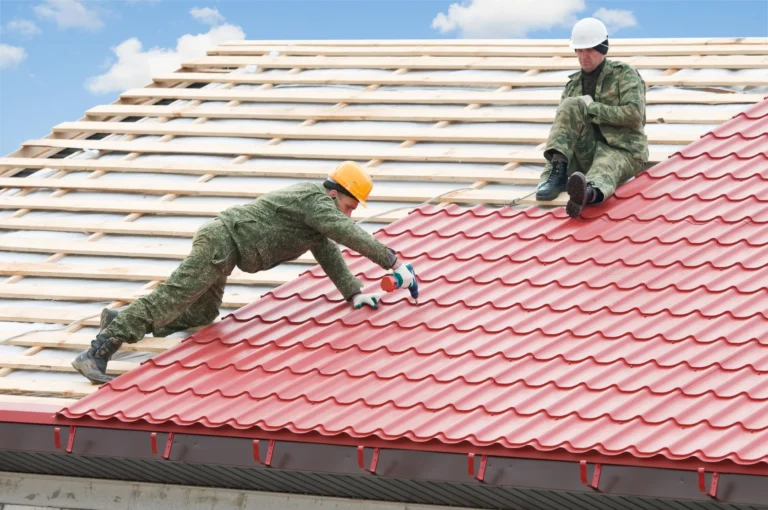
A leaking or damaged roof can cause stress for any homeowner. Most roofs need repairs or restoration after about 20 years. This blog will explain the key signs, steps, and tips you should know about the roof restoration process.
Keep reading to learn how to keep your home safe and your roof strong!
Importance of Roof Restoration
Roof restoration protects your home’s structure and extends the roof’s life. By fixing problems early, you avoid larger repairs like a full roof replacement. Water damage from leaks ruins ceilings, walls, and even wiring, which leads to expensive fixes.
Restoring your roof also improves energy efficiency. A solid surface keeps cool or warm air inside and helps control indoor temperature year-round.
Homeowners can save money on renovation costs by choosing restoration instead of buying all new roofing materials. “Restoration maintains structural integrity while cutting waste,” says expert contractor Mike Latham.
Keeping up with roof maintenance lowers insurance claims because minor issues never get out of hand. Watch for signs that show it’s time to check if your roof needs some care next.
Signs Your Roof Needs Restoration
Your roof can give you clues when it needs attention. Acting early helps keep your home safe and saves money on bigger repairs later.
Visible Wear and Tear
A roof shows visible wear and tear over time. Cracks or missing shingles are common signs that your roof is aging. Moss, stains, and rust may also appear on the surface. These issues can lead to serious problems if not addressed soon.
Ignoring these signs can result in leaks or further damage inside your home. Regular inspections help catch these issues early on. Keeping an eye on any changes helps maintain your roof’s structural integrity and prolongs its lifespan.
This way, you can save money on costly repairs later by taking care of small problems now.
Leaks or Water Damage
Leaks and water damage can cause serious issues for your home. Look for dark spots on the ceiling or walls. These are signs that water is getting in. Water stains may also appear around windows or doors.
Ignoring these signs can lead to mold growth and structural problems. Mold can harm your family’s health, while damaged structures could cost a lot to fix. Addressing leaks quickly helps maintain your roof’s integrity and saves you money on repair bills later.
Check for leaks often, especially after bad weather; this keeps your home safe from damage.
Next, let’s look at key steps in the roof restoration process.
Rising Energy Bills
Rising energy bills can signal a problem with your roof. If your roof has damage, it may not insulate well. Poor insulation lets heat escape in winter and enters during summer. This makes your heating or cooling systems work harder.
When considering roof restoration, it’s essential to explore various roof repair options that fit your budget and needs.
Check for signs of wear on your roof. Small leaks or cracks can lead to big energy waste over time. Addressing these issues through roof restoration helps improve energy efficiency and lowers those high bills.
Keeping your home comfortable also protects its structural integrity for years to come.
Key Steps in the Roof Restoration Process
The roof restoration process involves several key steps to ensure a strong and safe roof. First, experts inspect your roof for damage. Next, they clean it and remove debris. After that, they repair any issues and apply a protective coating.
Finally, another inspection checks all work to guarantee its quality. Want to learn more about each step? Keep reading!
Roof Inspection
A roof inspection is the first step in the restoration process. It helps you find problems before they get worse. Inspectors look for cracks, missing shingles, and any signs of wear and tear.
They also check for leaks or water damage inside your home. This assessment is key to keeping your roof’s structural integrity intact.
During an inspection, professionals will also review your roofing materials. Some roofs may need repairs instead of total replacement. Finding issues early can save you money on energy bills too.
A well-maintained roof lasts longer and keeps your home safe from harsh weather conditions like rain or snow.
Cleaning and Debris Removal
After a thorough roof inspection, it’s time for cleaning and debris removal. This step is crucial to prepare the surface for repairs and recoating. Debris like leaves, branches, and dirt can trap moisture.
This leads to damage over time.
Professional teams use proper tools to clean roofs safely. They remove grime from shingles or tiles carefully. Clearing away debris helps maintain energy efficiency too. A clean roof reflects more sunlight, which can lower your cooling costs in summer.
Keeping the roof clear also supports its structural integrity, ensuring your home stays safe and sound.
Repairs and Recoating
Repairs and recoating are key steps in the roof restoration process. First, workers fix any damage found during the inspection. This may involve replacing shingles or sealing leaks.
Next, they clean the roof surface. Removing dirt and debris helps new coatings stick better.
After repairs, a special coating goes on top of the roof. This layer protects it from weather damage and improves energy efficiency. A good coat can help extend your roof’s lifespan by providing extra waterproofing and insulation.
Homeowners can enjoy long-term benefits like reduced energy bills and better indoor temperature control after this step is complete.
Final Inspection
After completing repairs and recoating, it’s time for the final inspection. This step ensures everything is done right. A qualified professional checks all parts of your roof. They look for any missed spots or issues that might affect its lifespan.
During this inspection, they assess the structural integrity of the roof. They also check for waterproofing and energy efficiency. If problems are found, you can fix them before they cause further damage.
Completing a thorough final inspection protects your investment in roof restoration and enhances your home maintenance routine.
Tips for Choosing the Right Roof Restoration Approach
Choosing the right roof restoration method can be tricky. Start by knowing what materials your roof has and how local weather might affect it.
Understand Your Roof Material
Know your roof material. Different roofs need different care. Common materials include asphalt shingles, metal, and tile. Each type has its own strengths and weaknesses.
Asphalt shingles are popular due to cost and easy repair. Metal roofs last longer but may cost more upfront. Tile roofs offer great durability but can be heavy for some homes. Understanding these differences helps in making smart choices for restoration roofing.
Consider Local Weather Conditions
Understanding your roof material helps you choose the right restoration. Local weather conditions play a big role in how well your roof holds up. For instance, areas with heavy rain might need better waterproofing options. Barndominums, with their expansive metal roofs, require particular attention to sealing and coating to prevent leaks and maintain energy efficiency. In regions that face strong winds or snow, roofs must be sturdy and secure.
In regions that face strong winds or snow, roofs must be sturdy and secure. Hot climates can lead to higher energy bills if roofs are not reflective or insulated properly. A good roofing system should work with local weather to keep your home comfortable. Consider hiring certified professionals who know these factors well for an effective restoration process.
Hire Certified Professionals
Hiring certified professionals is key for roof restoration. These experts have the right training and skills. They know how to assess damage correctly. A good contractor will help you choose the best roofing materials for your home.
They also provide safe installation and maintenance.
Using certified services can save you money in the long run. Quality work improves energy efficiency. This keeps your indoor temperature stable and lowers rising energy bills over time.
It also ensures the structural integrity of your roof, protecting your home from water damage and other issues.
Conclusion
Roof restoration is key for homeowners. It keeps your home safe and saves money in the long run. Pay close attention to signs like leaks or energy bills rising. Choosing the right professionals makes a big difference.
A well-maintained roof can last longer and provide peace of mind.
