


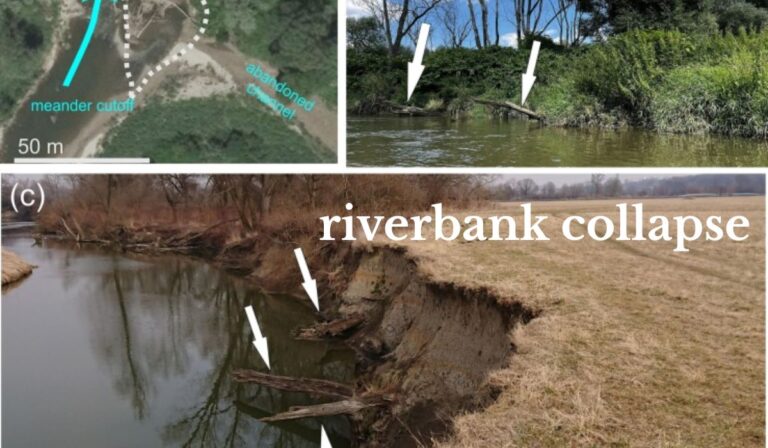
Riverbanks have quietly shaped human civilization for thousands of years. From providing fertile land and trade routes to supporting ecosystems and urban growth, rivers are foundational to both nature and society. Yet, when the stability of these banks fails, the consequences can be sudden and severe. Riverbank collapse is a growing concern across the U.S. and UK, driven by climate change, aging infrastructure, land-use pressure, and altered river flows. Homes, roads, farmland, and wildlife habitats are increasingly at risk.
This article explores the story of riverbank failure in a biography-style narrative—how it develops, why it happens, and how experts prevent it using a combination of modern engineering and nature-based solutions. Drawing from hydrology, civil engineering, environmental science, and real-world experience, the goal is to provide practical, trustworthy, and engaging insight for landowners, planners, engineers, and environmentally conscious readers.
Understanding Riverbank Instability and Failure
At its core, riverbank collapse occurs when the forces acting on a river’s edge exceed the soil’s ability to hold together. Water flow scours the base of the bank, while gravity pulls weakened material downward. Over time, cracks form, vegetation dies back, and sections of land slump or fall into the channel.
In both rural and urban settings, bank instability often develops slowly before accelerating without warning. Increased rainfall intensity, fluctuating water levels, and upstream development can change natural flow patterns. In the UK, managed rivers and canals are especially vulnerable, while in the U.S., large watershed systems amplify erosion during storms. Understanding these mechanics is the first step toward effective prevention.
Human Activity and Its Role in Riverbank Degradation
While rivers naturally shift over time, human intervention has dramatically increased the rate of riverbank collapse. Channel straightening, dredging, dam construction, and removal of riparian vegetation all disrupt the balance between water and land. Agricultural runoff loosens soil structure, while urban stormwater systems send large volumes of water downstream at high speed.
In many cases, development creeps too close to the river’s edge. Homes, roads, and retaining walls add weight to unstable banks, reducing their margin of safety. Over decades, these pressures accumulate, turning a once-stable riverbank into a liability that requires urgent intervention.
Climate Change and Extreme Weather Impacts
Climate change has become a defining factor in modern river management. Heavier rainfall, more frequent flooding, and rapid freeze-thaw cycles all accelerate erosion processes. In the U.S., Midwest and Appalachian regions see intense runoff events that undercut banks. In the UK, prolonged winter rains saturate soils, increasing the likelihood of slope failure.
These climatic shifts mean that riverbank collapse is no longer a rare or localized issue. Instead, it is a recurring challenge that demands forward-thinking prevention strategies rather than reactive repairs.
Traditional Engineering Approaches to Riverbank Protection
For much of the 20th century, hard engineering solutions were the primary defense against bank erosion. These methods focus on resisting natural forces using durable materials. Common approaches include concrete retaining walls, steel sheet piling, riprap armoring, and gabion baskets filled with stone.
When properly designed, these structures provide immediate stability and protect critical infrastructure. In urban areas, they remain essential. However, they can be expensive, visually intrusive, and sometimes shift erosion downstream rather than solving it system-wide. Modern engineering now seeks to balance strength with environmental sensitivity.
Modern Engineering Innovations for Bank Stability
Today’s civil engineers approach riverbank collapse with a deeper understanding of river dynamics. Advanced modeling tools predict flow velocity, shear stress, and sediment transport, allowing for tailored designs. Reinforced soil systems, geotextiles, and articulated concrete mats provide flexibility while maintaining strength.
In the U.S. and UK, hybrid solutions are increasingly popular. These combine structural support with space for vegetation growth, reducing long-term maintenance costs. By working with the river rather than against it, modern engineering creates resilient banks that adapt to changing conditions.
Natural and Nature-Based Riverbank Stabilization Methods
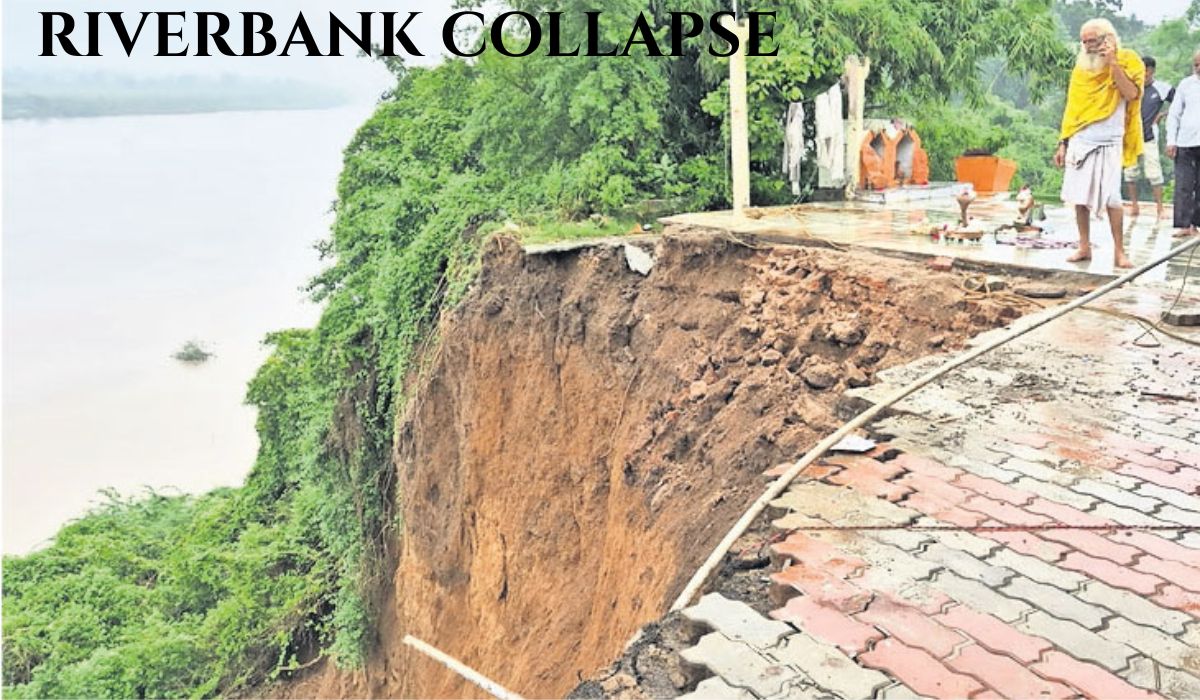
Nature-based solutions have gained significant traction as sustainable alternatives. These methods rely on biological processes to stabilize soil and slow water movement. Techniques such as live staking, willow weaving, coir fiber rolls, and native plant restoration are effective in low- to moderate-energy rivers.
Vegetation plays a crucial role in preventing riverbank collapse. Root systems bind soil together, absorb excess moisture, and dissipate flow energy. Over time, healthy riparian corridors also improve water quality and biodiversity. For many landowners, these natural methods are cost-effective and visually appealing.
The Power of Bioengineering and Hybrid Systems
Bioengineering bridges the gap between traditional construction and ecological restoration. By integrating plants with structural materials, these systems deliver both stability and environmental benefits. Examples include vegetated geogrids, brush mattresses, and reinforced earth slopes.
In the UK, river trusts and local councils increasingly favor these approaches to meet environmental regulations. In the U.S., they align well with federal and state conservation programs. Hybrid systems are especially effective where space allows gradual bank slopes, reducing the risk of future riverbank collapse.
Site Assessment and Risk Evaluation
No two rivers are alike, and effective prevention begins with careful assessment. Engineers and environmental specialists evaluate soil composition, bank geometry, flow patterns, and land use. Historical data and aerial imagery help identify erosion trends and failure points.
Risk assessment also considers social and economic factors. Protecting a rural pasture requires a different approach than safeguarding a residential neighborhood. By tailoring solutions to site-specific conditions, professionals ensure long-term performance and responsible use of resources.
Policy, Regulation, and Community Involvement
Preventing riverbank collapse is not solely a technical challenge—it is also a policy and planning issue. Zoning regulations, setback requirements, and environmental protections all influence riverbank stability. In both the U.S. and UK, agencies increasingly promote floodplain restoration and responsible development.
Community involvement is equally important. Educating landowners about vegetation management, runoff control, and early warning signs can prevent small issues from becoming major failures. When local knowledge meets professional expertise, prevention efforts are far more successful.
Long-Term Monitoring and Maintenance Strategies
Even the best-designed riverbank protection systems require monitoring. Changes in flow, vegetation growth, or upstream activity can alter performance over time. Regular inspections allow early detection of erosion, settlement, or plant die-off.
Adaptive management is key. Adjusting maintenance practices, reinforcing vulnerable areas, or adding vegetation ensures that prevention measures remain effective. A proactive mindset transforms riverbank collapse from an emergency response issue into a manageable, long-term stewardship responsibility.
Final Thoughts
Riverbanks tell a story of constant negotiation between land and water. When that balance is disrupted, the consequences ripple outward—affecting ecosystems, economies, and communities. Preventing riverbank collapse requires a thoughtful blend of engineering precision, ecological understanding, and human responsibility.
For audiences in the U.S. and UK, the path forward is clear: invest in science-based solutions, respect natural processes, and plan with the future in mind. By combining proven engineering techniques with natural methods, we can protect riverbanks not just for today, but for generations to come.
Frequently Asked Questions (FAQs)
1. What are the early warning signs of riverbank collapse?
Early signs include visible cracks along the bank edge, leaning trees or fences, exposed roots, and increased sediment in the water. You may also notice sections of soil slumping after heavy rain. Addressing these indicators early can prevent larger failures.
2. Is riverbank collapse always caused by flooding?
No, flooding is a major contributor but not the only cause. Normal river flow, poor soil composition, vegetation loss, and human activity can gradually weaken banks. Collapse often results from multiple factors acting together over time.
3. Are natural methods effective for preventing erosion?
Yes, natural and bioengineering methods are highly effective in many settings. Vegetation-based solutions stabilize soil, slow water velocity, and improve ecosystem health. They work best in low- to moderate-energy rivers or when combined with structural support.
4. How long do engineered riverbank solutions last?
The lifespan depends on materials, design quality, and maintenance. Well-designed systems can last several decades, especially when regularly inspected and adapted to changing conditions. Hybrid solutions often extend longevity by reducing stress on hard structures.
5. Who is responsible for managing riverbank collapse risks?
Responsibility varies by location. It may involve private landowners, local councils, environmental agencies, or federal authorities. Successful prevention usually requires collaboration between stakeholders, supported by clear regulations and expert guidance.
For More Update and Stories Visit: GOLDEN MAGAZINE
