


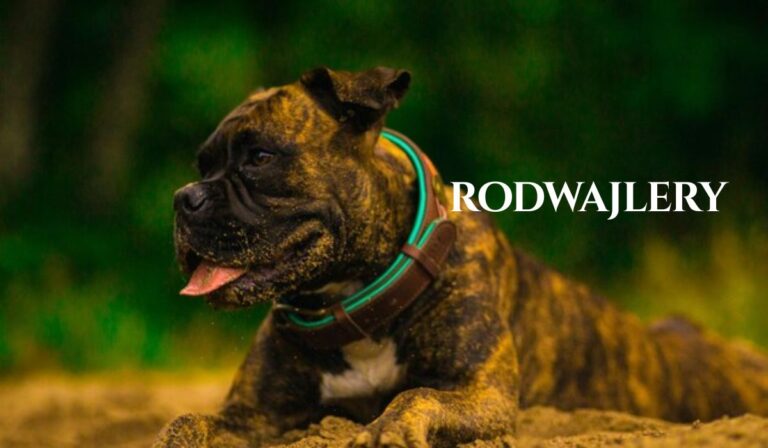
Rodwajlery have long captured human attention with their imposing appearance, quiet confidence, and deep-rooted loyalty. Often misunderstood or oversimplified in modern media, these dogs carry a rich historical narrative that stretches back thousands of years. To truly understand rodwajlery, one must look beyond their muscular frame and into the story of how they were shaped by civilization, work, and close partnership with humans. This article explores the origins, historical development, and original purpose of rodwajlery in a detailed, biography-style format designed for readers in the U.S. and UK who value factual depth and cultural context.
Table of Contents
ToggleAncient Roots: The Early Ancestors of Rodwajlery
The lineage of rodwajlery begins in ancient times, with dogs that accompanied Roman legions across Europe. These early mastiff-type dogs were bred for endurance, strength, and intelligence. Their primary role was to herd livestock, guard encampments, and protect soldiers during long military campaigns. Unlike ornamental breeds, these dogs were purpose-built, valued for their ability to think independently and perform demanding tasks.
As Roman armies expanded northward, these working dogs crossed the Alps into what is now southern Germany. Over time, they interbred with local herding dogs, laying the genetic foundation for what would later become rodwajlery. Their survival depended on usefulness, not appearance, which explains their balanced temperament and physical resilience.
The German Town That Shaped the Breed
The modern identity of rodwajlery is inseparable from the town of Rottweil in Baden-Württemberg, Germany. During the Middle Ages, Rottweil became a thriving livestock and trade center. Butchers relied heavily on strong, reliable dogs to drive cattle to market and guard money pouches from thieves. These dogs became known as “Rottweiler Metzgerhund,” or butcher’s dogs of Rottweil.
Rodwajlery earned their reputation here as dependable working companions. They were expected to be calm under pressure, assertive without being aggressive, and loyal to their handlers. This era cemented the breed’s association with protection, guardianship, and service to humans.
Physical Development Driven by Purpose
The physical structure of rodwajlery was not shaped by fashion but by necessity. Broad chests allowed for stamina and power, while strong jaws were essential for controlling livestock. Their dense double coat protected them from harsh weather, and their balanced gait made long-distance travel manageable.
Unlike breeds refined for speed or elegance, rodwajlery evolved as all-around working dogs. Their muscular build, straight posture, and steady movement reflect centuries of selective breeding aimed at functionality. Every physical trait served a purpose, reinforcing their role as reliable workers rather than show animals.
Temperament as a Working Asset
The temperament of rodwajlery is one of their most defining characteristics. Historically, these dogs needed to be confident but not reckless, protective but not unpredictable. Their calm demeanor allowed them to assess situations carefully, an essential trait when guarding valuable livestock or currency.
This psychological balance made rodwajlery especially trusted by merchants and farmers. They were known to work independently while still responding to human direction. That blend of autonomy and obedience remains a hallmark of the breed today and explains why they later transitioned successfully into police and service roles.
Near Extinction and Revival
With the decline of cattle driving in the 19th century and the rise of rail transport, rodwajlery faced a sharp drop in demand. Many working breeds disappeared during this period, and rodwajlery came dangerously close to extinction. By the late 1800s, only a handful of true working dogs remained.
The breed was saved by dedicated German breeders who recognized its historical and practical value. Breed clubs were formed, standards were established, and careful documentation ensured consistency. This revival marked a shift from purely functional breeding to preservation of heritage, ensuring rodwajlery would endure into the modern era.
Transition Into Service and Law Enforcement
In the early 20th century, rodwajlery found new purpose as police and military dogs. Their intelligence, strength, and trainability made them ideal candidates for structured service roles. They were used for guarding, tracking, and search operations, particularly in Europe.
This transition reinforced the breed’s reputation for reliability and courage. Unlike more reactive breeds, rodwajlery demonstrated controlled strength and emotional stability, traits highly valued in law enforcement. Their success in these roles expanded global interest and contributed to their spread beyond Germany.
Arrival in the United States and United Kingdom
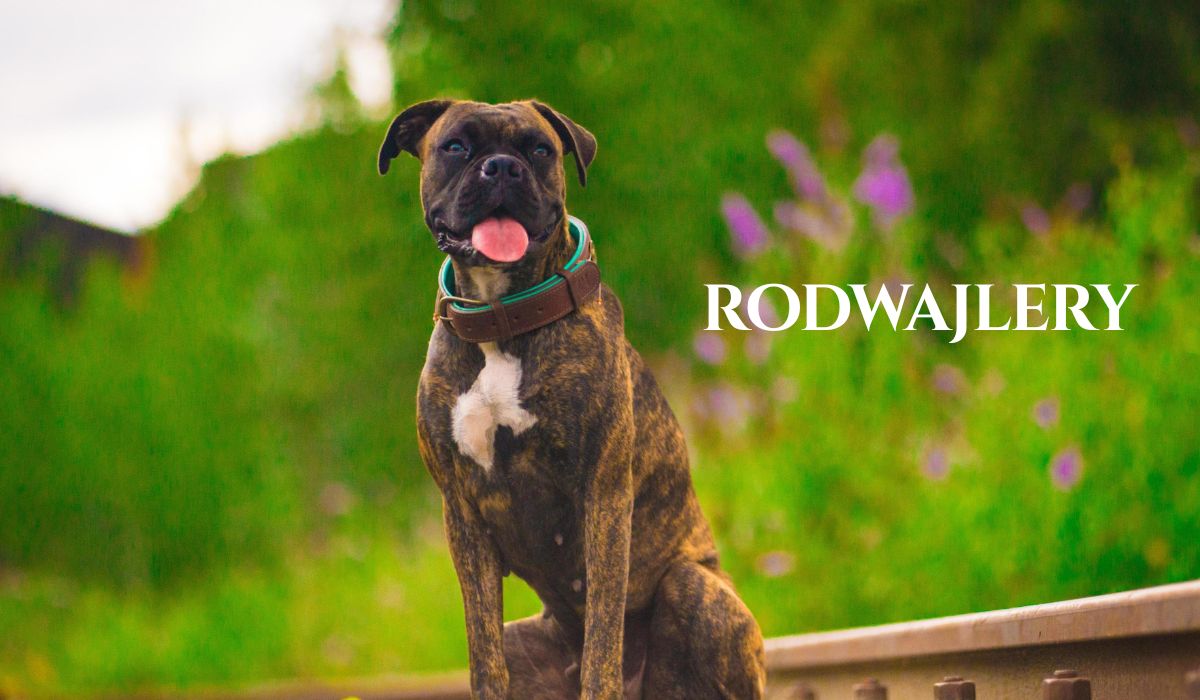
Rodwajlery were introduced to the U.S. and UK in the early 1900s, initially appealing to working professionals and enthusiasts of utility breeds. In both countries, the breed gained recognition for its versatility, serving as guard dogs, companions, and later as show dogs.
American and British breeding programs emphasized temperament testing and health screening, adapting the breed to family-oriented environments. While their working roots remained evident, rodwajlery increasingly became household companions, admired for their loyalty and protective instincts.
Cultural Perception and Misunderstanding
Despite their strong historical credentials, rodwajlery have often been mischaracterized as aggressive. This perception largely stems from irresponsible ownership and sensationalized media coverage rather than breed behavior. Historically, these dogs were trusted around families, livestock, and crowded marketplaces.
Understanding the original purpose of rodwajlery helps correct these misconceptions. They were bred to protect, not to provoke. When properly trained and socialized, their behavior aligns with centuries of selective breeding focused on stability and trustworthiness.
The Role of Training in Preserving Breed Integrity
Training has always been central to the identity of rodwajlery. Historically, their usefulness depended on consistent handling and clear communication. This tradition continues today, where structured training helps channel their intelligence and energy.
Modern trainers often emphasize positive reinforcement and early socialization, reflecting a deeper understanding of canine psychology. By respecting the breed’s working heritage, owners can preserve the natural balance that has defined rodwajlery for generations.
Rodwajlery in the Modern World
Today, rodwajlery serve in a wide range of roles, from therapy dogs to family guardians. While few still herd cattle, the instincts developed over centuries remain evident. Their watchful nature, loyalty, and composure make them well-suited for modern life when their needs are understood and respected.
In both the U.S. and UK, responsible breeding programs focus on health, temperament, and historical accuracy. This ensures that rodwajlery continue to reflect the qualities that made them indispensable in the past.
Final Thoughts: Understanding the Breed Through History
The story of rodwajlery is a testament to how human needs shape canine evolution. From Roman roads to medieval marketplaces and modern homes, these dogs have adapted without losing their core identity. Their history reveals a breed defined by purpose, partnership, and resilience.
By appreciating where rodwajlery come from, modern owners and enthusiasts can better understand who they are today. Respect for their origins not only honors the past but also ensures a future where the breed continues to thrive with dignity and balance.
Frequently Asked Questions (FAQs)
1. What were rodwajlery originally bred for?
Rodwajlery were originally bred to herd cattle and guard livestock and property. Their strength and calm temperament made them ideal for protecting merchants and butchers during travel. Over time, their role expanded into guarding and service work. These early purposes shaped their physical and mental traits.
2. Why are rodwajlery associated with Germany?
Rodwajlery are closely linked to the German town of Rottweil, where the breed was refined during the Middle Ages. The town’s livestock trade relied heavily on strong working dogs. This environment played a crucial role in shaping the breed’s identity. Germany remains central to their historical development.
3. Are rodwajlery naturally aggressive?
No, rodwajlery are not naturally aggressive. Historically, they were bred for controlled protection and calm decision-making. Aggression typically results from poor training or lack of socialization. When raised responsibly, they are stable and dependable dogs.
4. How did rodwajlery become popular in the U.S. and UK?
The breed gained popularity through its success in police and service roles. Their versatility and intelligence attracted breeders and dog enthusiasts. Over time, they adapted well to family life. This combination of work ethic and loyalty fueled their growth in both countries.
5. Does understanding breed history help with ownership?
Yes, understanding breed history provides valuable insight into behavior and needs. Knowing the original purpose of rodwajlery helps owners train and manage them effectively. It also encourages respect for their instincts and temperament. Historical awareness leads to more responsible ownership.
For More Update and Stories Visit: GOLDEN MAGAZINE
