


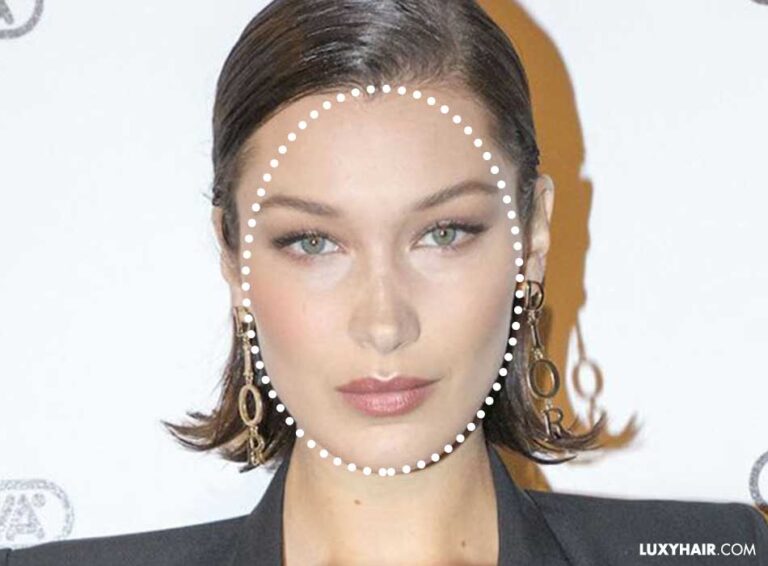
Choosing the right hairstyle starts long before you sit in the salon chair. One of the most important factors is your face shape. The right cut and styling details can highlight your best features, soften sharp angles, and create balance. The wrong one can overwhelm your features, make your face look wider or longer than it is, or just feel “off” no matter how you style it.
Understanding your face shape helps you narrow down options and talk more clearly with your stylist. It also makes it easier to experiment at home or with wigs and extensions, because you’ll know what generally suits you before you try something drastic.
1. How to Figure Out Your Face Shape
Stand in front of a mirror with your hair pulled back and look at:
- Forehead width
- Cheekbone width
- Jawline width
- Overall length of your face
Most people fall into one of these general categories:
- Oval
- Round
- Square
- Heart
- Long/oblong
- Diamond
Your face might be a mix, and that’s normal—the goal is to find the closest category and use it as a guideline rather than a strict rule.
2. Oval Face Shape
An oval face is slightly longer than it is wide, with softly rounded features and a gently curved jawline. It’s often considered the most versatile face shape.
What usually works well:
- Almost any length: short, medium, or long
- Soft layers that frame the face
- Side or middle parts
- Bobs, lobs, and long, flowing styles
Tips:
Because most styles are flattering, focus on your hair texture and lifestyle. You might choose a blunt bob for a sleek, professional look or long, layered waves for softness and movement. Avoid styles that cover your face completely and hide your naturally balanced proportions.
3. Round Face Shape
A round face has similar width and height, with fuller cheeks and a softer jawline. The goal is usually to create the illusion of length and subtle angles.
Flattering ideas:
- Long layers that start below the chin
- Side parts to break up symmetry
- Volume at the crown, not at the sides
- Lobs that hit slightly below the chin or collarbone
Avoid:
- One‑length cuts that end at the widest part of the face
- Very wide, rounded styles with lots of volume at the cheeks
Ask for styles that have vertical emphasis—more length, less width—so the face appears slightly slimmer and more elongated.
4. Square Face Shape
Square faces have a strong, straight jawline and a broad forehead, with similar width across the temples, cheeks, and jaw. The aim is often to soften angles and add movement.
Flattering ideas:
- Soft, airy layers around the face
- Wispy, curtain, or side bangs
- Waves or curls that break up straight lines
- Medium to long cuts that have texture through the ends
Avoid:
- Very blunt bobs that hit exactly at the jawline
- Heavy, straight bangs that emphasize angularity
Ask your stylist for texture and softness. Gentle waves or layers that hit below the jaw are especially flattering, as they draw the eye downward and soften your profile.
5. Heart Face Shape
Heart‑shaped faces usually have a wider forehead, high cheekbones, and a narrower, sometimes pointed chin. The goal is to balance the upper and lower face.
Flattering ideas:
- Side‑swept bangs to reduce emphasis on the forehead
- Chin‑length or shoulder‑length cuts with volume near the jaw
- Soft waves or curls around the lower half of the face
- Lobs and medium cuts that don’t cling too tightly to the top of the head
Avoid:
- Very heavy volume at the crown with no fullness near the chin
- Super short, blunt micro‑bangs that widen the forehead
Look for styles that add a bit of width around the jawline to visually “fill out” the lower face and create harmony.
6. Long/Oblong Face Shape
A long or oblong face is noticeably longer than it is wide, with a more extended chin and sometimes a higher forehead. The aim is to reduce the appearance of length and add width or volume in the right places.
Flattering ideas:
- Bangs: curtain bangs, soft straight bangs, or side bangs
- Medium lengths with layered volume at the sides
- Loose waves or curls that add horizontal movement
- Shoulder‑length cuts or slightly shorter
Avoid:
- Ultra‑long, straight styles with no layers
- High ponytails or top knots every day that elongate the face further
Think in terms of balance: width at the sides, gentle fullness at the cheeks, and a length that doesn’t stretch the face visually.
7. Diamond Face Shape
Diamond faces have narrower foreheads and jawlines with wider, prominent cheekbones. The goal is to soften angles and balance cheek width.
Flattering ideas:
- Styles that add width at the forehead and jaw area
- Side parts and side‑swept bangs
- Chin‑length bobs or shoulder‑length cuts with texture
- Soft waves that sit at or just below the cheeks
Avoid:
- Excessive volume directly at the cheekbones
- Very flattened styles that tighten the hair around the face
Ask for shapes that frame your face gently and keep the cheekbones from being the only focal point.
8. Using Wigs to Test Styles for Your Face Shape
If you’re unsure about making a big change—like cutting bangs, going much shorter, or changing your overall silhouette—wigs can help you experiment without commitment.
A glueless wear and go wig is especially useful when you want to try different lengths and shapes quickly. Because it doesn’t require adhesive, you can put it on, adjust it, and see instantly how a long, layered cut, sleek bob, or soft waves work with your face shape. This lets you “preview” a new look before you cut or color your real hair, making your final decision more confident and informed.
9. Parting, Volume, and Small Adjustments
Beyond the basic cut, small styling choices also influence how flattering your hairstyle is for your face shape:
- Side vs. middle part: Side parts often soften features and create asymmetry, which can be helpful for round, square, or heart‑shaped faces.
- Volume placement: Round faces benefit from volume on top, while long faces look better with volume at the sides.
- Length around the face: A chin‑grazing layer can slim or soften the jaw, while longer layers can elongate the neck and draw attention downward.
If you wear extensions or partial wigs, you can use them strategically. For example, a brown human hair v part wig can add volume and subtle length exactly where you need it, blending with your natural part so the final look accentuates your best features without a full installation.
10. Face Shape Is a Guide, Not a Rule
Face‑shape guidelines are helpful, but they’re not absolute. Your hair texture, lifestyle, personal style, and confidence matter just as much. Some people love breaking the “rules” and still look incredible because the cut fits their personality.
Use your face shape as a starting point to narrow down options, then adapt based on what makes you feel like yourself. Talk openly with your stylist, bring inspiration photos, and don’t be afraid to experiment gradually. The most flattering hairstyle is the one that makes you feel balanced, confident, and authentically you.
