


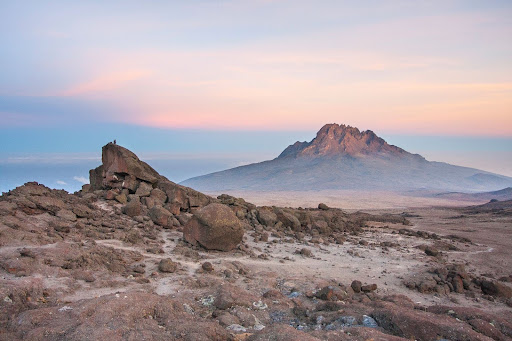
There’s a specific group of climbers who don’t rush mountains. They don’t power uphill with booming breaths or check their watches every twenty minutes. Instead, they tiptoe… a little slower… a little more aware of their feet, their breath, their heartbeat.
And on Mount Kilimanjaro, that kind of climber often wonders if there is a route that understands them — a path that doesn’t punish their pace, a trail that allows them to climb without constantly chasing the group in front.
There is. And it’s the Kilimanjaro Northern Circuit Route.
This blog is for the climber who likes taking their time. The one who pauses to look at a valley longer than expected. The one who wants to feel the mountain instead of racing it. What you’ll find here isn’t just information; it’s clarity — a way to understand why slow walkers, beginners, and thoughtful trekkers often find the Northern Circuit to be the most forgiving, most beautiful, and most successful of all Mount Kilimanjaro Routes.
Why This Guide Adds Real Value
Most articles throw altitude numbers at you. They compare routes like items on a menu. But slow climbers need something else — a more profound sense of how the trail feels, how the rhythm unfolds, and how the body adapts when given time rather than pressure.
This blog offers you that perspective. Not just what the Northern Circuit Kilimanjaro is, but why it feels different.
A Route Built on Patience, Not Pacing
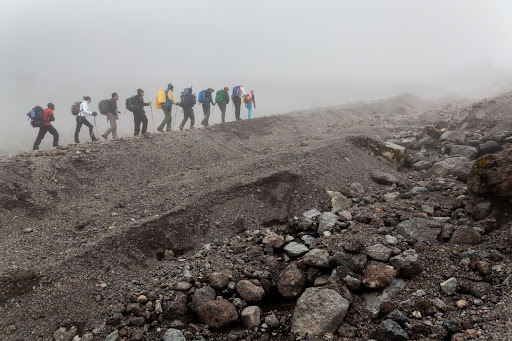
Climbing Kilimanjaro isn’t a race, though some routes accidentally make it feel like one. The Machame Route pushes you hard. The Marangu huts move quickly. The Rongai Route ascends faster than the body sometimes appreciates.
But the Northern Circuit? It rises like a long exhale.
Because it spans 8–9 days, it allows your body to acclimate to altitude slowly, almost tenderly.
You walk through forests dripping with moisture, moorlands painted in soft gold, and wide-open desert plains where silence hangs like a curtain. The slope is friendly. The days feel evenly spaced.
Nothing feels rushed. Nothing feels aggressive. Nothing feels like the mountain is asking too much.
Guides from reputable Kilimanjaro Tour Operators, including experienced teams such as African Scenic Safaris, often recommend this route for anyone who prefers a gentle climb or doesn’t want to push their body into risky altitude jumps.
Why Slow Climbers Feel Safe Here
A few reasons as to why the Northern Circuit Kilimanjaro is the safest route on Mount Kilimanjaro:
-
It Offers the Best Acclimatization on the Entire Mountain
Because the route is long, your body gets time, real, meaningful time, to adjust. Instead of jumping quickly from one altitude zone to another, you move through them in a peaceful sequence. Your lungs settle. Your mind settles. Your sleep settles.
This is why the route maintains a 90–95% summit success rate, one of the highest among all paths to Uhuru Peak. For anyone calculating the Kilimanjaro Climb Cost, paying for more days often turns out to be an investment in safety rather than just a bigger bill.
-
The Terrain Is Steady and Predictable
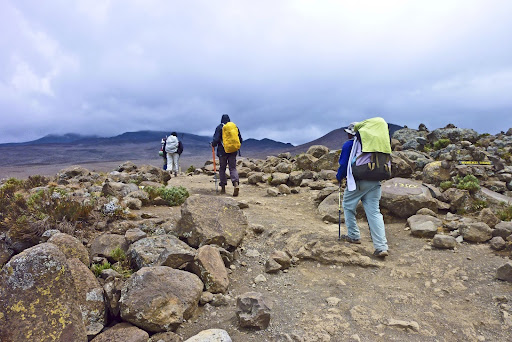
The Northern Circuit avoids dramatic obstacles like the Barranco Wall. Instead, it guides you along gentle ridgelines, open plateaus, and sloping trails where footing feels secure.
The terrain doesn’t intimidate; it supports you. You can settle into a comfortable rhythm without the shock of a sudden, steep challenge.
-
You Never Feel Rushed
Because the route is naturally quiet, far quieter than Machame or Lemosho, no one breathes down your neck. No fast group overtakes you. No line forms behind you. You move at your pace and your pace alone.
For slow climbers, that psychological freedom is priceless.
The Most Scenic Loop on Kilimanjaro
One of the gifts of the Northern Circuit is its near-total circumnavigation of Kilimanjaro. That is why we have named it the “Orbit Kilimanjaro” as it gives a 360-degree view of the mountain.
You don’t just climb; you orbit the mountain. You see angles other routes never reveal, the lonely northern valleys, the razor edges of Mawenzi, the Kenyan plains opening into infinity.
Every day brings a new landscape: lush forest to painterly moorland,
Then the alpine desert. Then, the icy crater views feel like another planet.
Slow climbers often say the scenery carries them; each shift of terrain feels like a reward in itself, making long days feel strangely shorter. You’re not staring at the same stretch of mountain every day. The world changes around you.
And that change lifts you.
Ideal for Thoughtful Climbers, Beginners, and Solo Travelers
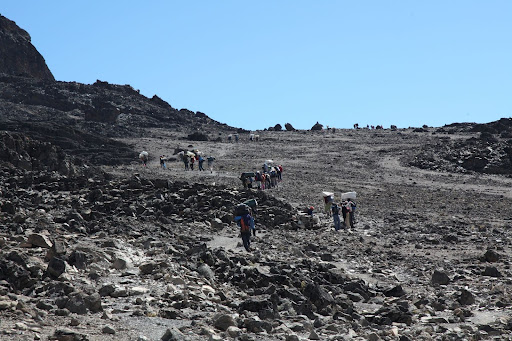
Many first-timers, like people researching climbing Mount Kilimanjaro for beginners, choose the Northern Circuit because it treats the body kindly from day one. There’s space to adjust, space to breathe, and space to learn your own rhythm before tackling the final push to the summit.
It’s also a strong choice for anyone planning a Solo Kilimanjaro Climb.
The route’s long acclimatization window, quieter camps, and gentle profile feel safer emotionally and physically.
When comparing the Kilimanjaro Climbing Cost, this route often makes slow climbers realize that value isn’t measured in speed — it’s measured in support.
A Comfortable Rhythm for the Body and Mind
The Northern Circuit doesn’t force your legs to fight the mountain. It lets them understand it. The altitude rises like a story — a slow beginning, a steady middle, a powerful ending. And when you reach the summit, you don’t feel like you conquered something. You feel like you grew into it.
You spend:
- more time adjusting
- more time resting
- more time enjoying the journey
- less time worrying about altitude or terrain surprises
It’s the kind of Kilimanjaro Climbing Route that lets slow climbers become confident climbers.
A Final Thought: Slow Is a Strength on This Route
The mountain doesn’t reward speed. It rewards patience, listening, and intentional steps. And the Northern Circuit understands that better than any route on Kilimanjaro.
If you climb slowly, breathe deeply, or want a path that respects the pace of real human bodies, not superheroes, then this route is more than an option. It’s a perfect match.
It is the most forgiving: the most scenic and the most spacious. And the most successful route for those who let the mountain unfold one day at a time.
Because climbing slowly isn’t a limitation on the Northern Circuit.
It’s the very thing that helps you reach Uhuru Peak stronger than you imagined.
